• Episodes
  • Festival Coverage
  • Video Essays
  • Writing
Menu

Cinematary

where film criticism goes to die
  • Episodes
  • Festival Coverage
  • Video Essays
  • Writing
outofblue_01.jpg

Out of Blue (2018) by Carol Morley

September 25, 2018

Review by Andrew Swafford

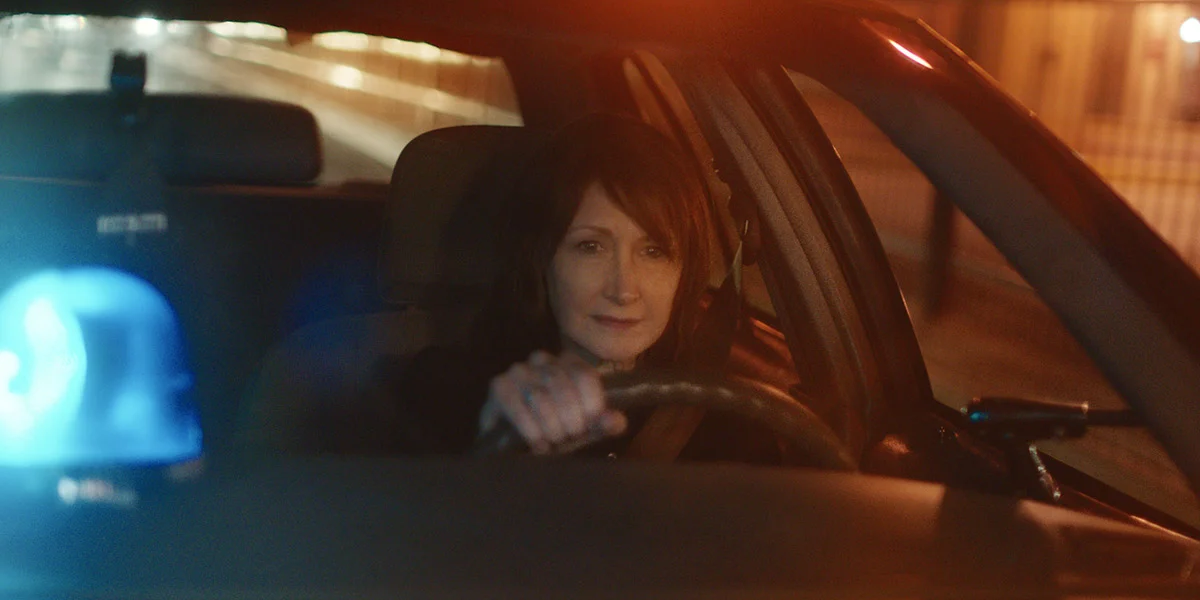
In Out of Blue, the inimitable Patricia Clarkson plays a detective investigating the shooting of a astrophysicist who dedicated her life to the study of black holes. The synopsis reads that this causes her to be “affected in ways she struggles to comprehend”--and it is, likewise, a movie that is hard to explain.

I went to see Carol Morley’s Out of Blue because of how much I loved her last feature, The Falling--that film introduced me to two of my favorite young actors (Florence Pugh and Maisie Williams) and featured a pseudo-subliminal editing style that I had never seen before and have never seen since. I was primed for something strange, and was surprised when what I got initially felt...ordinary. So ordinary, in fact, that I felt like I was watching a TV cop show for a little while--Law and Order or Criminal Minds--and starring a two-time Emmy-winning actress, no less! But as the film progressed, it got curiouser and curiouser. Not “strange,” per se, but uncanny: pauses in conversation scenes would linger just a little bit too long, and certain insert shots felt just a little bit out of place.

The film eventually clicked for me as something truly Lynchian in the way that Lynch is Lynchian, not the way his imitators are: it takes a form we’re intimately familiar with (maybe so familiar that we think of it as “low”) and twists it ever so slightly until new dimensions become apparent. In the original Twin Peaks, Lynch played with the Soap Opera form; in The Return, Lynch played with that of so-called “Prestige TV,” the Soaps of the present era. I think Out of Blue does the same with the Cop Drama, making tweaks so subtle you might not even notice them.

In The Falling, Morley spliced in reality breaking images three distinct frames at a time--the smallest number of frames able to be detected by the human eye. The effect is such that if you watch The Falling with someone, they may see different images than you do. Considering that Morley proved herself in that film as someone interested in working on subverting film-reality on such a near-undetectable, molecular level, it makes perfect sense to me that Out of Blue would continue that project.

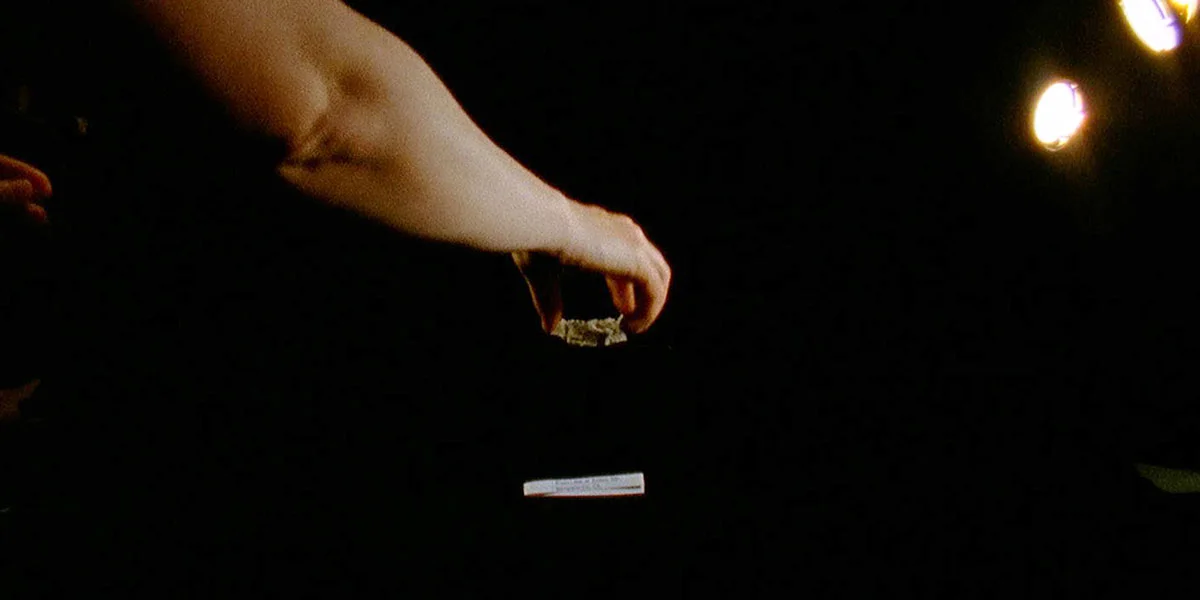
Here, she plays not only with genre form but also with narrative chronology, playing on the assumption we all make as audience members that the images we see are part of the same linear sequence. In Out of Blue, this is not always so. Something as simple as an insert shot of an object lying on the ground may be an intrusion from a reality running parallel to that of the protagonist. Perhaps this is to be expected considering all the talk of black holes and alternate dimensions in the film’s exposition, but the package it’s contained within makes for a truly uncanny experience. As I explained on the podcast, if you imagine a cop show that slowly morphs back into classic noir and then slowly morphs into Annihilation, you have a pretty good idea of what to expect from Out of Blue: the unexpected.

Upon leaving the theater and looking through Letterboxd reviews and Twitter reactions, I was saddened to see Out of Blue almost universally panned as a film that “didn’t work.” A recent episode of the Film Comment podcast framed it as a movie so bad that it has to be seen to be believed--complete with a mocking impression of Patricia Clarkson talking about stardust. And while I don’t think the film is as powerful as it might be (it doesn’t hit the highs of The Falling for me) and it may take itself a bit too seriously at times, I think this is a film that merits closer inspection. I’d wager a guess that most folks who don’t think the film holds together aren’t seeing the intent: this is ultimately a cosmic noir, in which things are supposed to float apart, not come together.

2018 TIFF Individual Reviews
Comment
polly-one_0HERO.jpg

Wavelengths 1: Earth, Wind & Fire (2018) by Various Filmmakers

September 25, 2018

Review by Andrew Swafford, Lydia Creech and Zach Dennis

ANDREW: First off, I’m so glad that y’all both joined me for over an hour of avant-garde shorts! I think that watching this kind of stuff intermittently has really given me valuable perspective when it comes to analyzing narrative films, and there’s just so many experiences that avant-garde can offer that don’t fit into any readymade narrative genre.

This program specifically was one of the highlights of the festival for me; this lineup was stacked. Kevin Everson, Jodie Mack, and Apitchatpong Weerasethakul were the big names I was already hyped for, but every short was dazzling. They all played off of each other really well, too: they all took the natural landscape as their primary subject (as the program title suggests), and they all employed more or less the same basic filmmaking techniques to explore it--namely, superimposition and double-exposure, stacking multiple images on top of each other in various ways to make organic matter feel not just alien but completely abstract and immersive.

Kevin Everson’s Polly One was a great start to the program. It was a document of the 2017 Solar Eclipse (which I got to witness at the house of Cinematariat Jessica Carr), but Everson takes the opposite approach to what you might expect: rather than showing the sun slowly be hidden, he starts in complete darkness and shows light slowly creeping in. Seeing one beam of light emerge at a time makes for the emergence of some pretty interesting geometric patterns in the angles of light--a perfect example of how cinema can turn real-life images into complete abstraction.

The next film in the lineup was one of my most anticipated: Blue by Apitchatpong Weerasethakul. It stars Jenjira Ponpass, who leads many of Weerasethakul most notable films, like Uncle Boonmee Who Can Recall His Past Lives and Cemetery of Splendour. Here, we mostly see her sleeping under a blue blanket across from a few objects--a campfire, a pane of glass suspended in midair, and an illustrated backdrop that changes a few times. The central image of the film is the slowly growing campfire superimposed over Ponpass’s body, creating the illusion that she’s being burned alive--I couldn’t quite tell if Weerasethakul was using the same technique the entire time, but at least some of it is created by the reflection of the fire in the glass pane being placed directly in front of her body’s image. It was both strangely horrifying and strangely soothing? The definition of slow burn horror. (Weerasethakul has made horror films before, for the record: Mekong Hotel is a vampire ghost ((?)) film and Vampire is, well…) I really liked this, but I couldn’t quite tell what I was supposed to get out of the illustrated backdrop? There is definitely a prominent orange sun featured in the image, and I thought maybe I was supposed to think that it was creating the fire burning Ponpass’s character? But I’m also not sure it matters more than the vibe. What did you guys think of these first two shorts?

LYDIA: The sound design of Blue was what made it soothing for me. It was like burning alive ASMR -- insect noises, fire crackling, the wind, the rustle of blankets as she turns in her sleep.

ZACH: I echo all that. Blue, much as you’ve described with Weerasethakul’s other works, feels otherworldly. There are familiar colors and textures — from her blanket to just the setting she is sleeping in — but it almost feels like it is taking place in some enclosed space outside of anything familiar to this world. The use of superimposition with the fire is almost frightening after a bit as your mind tries to shift between making sense of it being an image and not really on the woman and the opposite. It was one of my favorites of the program for sure.

The next film was Fainting Spells, directed by Sky Hopinka, and this was another that really drew me in. It follows these textures that move around the screen but all the while, a string of text scrolls in different spots, causing you to attempt to focus on both images in motion. It can be a bit disorienting but there is something about vision and speech, and how they work in tandem — especially in movies — that was profound about it. What did you all think?

ANDREW: I loved Fainting Spells! I’m not sure how much of it I can recall in specific, because so much of the film involves these impossible microscopic color compositions with a heavily-zoomed-in camera, making for an experience that’s hard to articulate. One thing that I found really interesting about the short’s editing, though was its use of on-screen text. I have no idea where any of it is sourced from, but Hopinka has this long-running cursive text that slowly scrolls from the right side of the screen to the left throughout almost the entire short. It goes very slowly and the sentences are very long--so slowly that it’s hard to remember what the beginning of the sentence was by the time you get to the end. So eventually you just tune it out and it becomes part of the visual construction of the movie. I especially liked when we got two concurrent lines of text on the very top and the very bottom of the frame--they reminded me of the perforations you see on the side of a strip of celluloid film.

The next film, Prologue to the Tarot: Glenna was an interesting counterpoint to some of the others. Instead of focusing exclusively on the natural world, this is a cinematic portrait of a person. I think I remember the filmmakers explaining in their Q&A something about this being a service they offer to people. But essentially what we’re seeing in this short is this woman lying about, relaxing--many times over. There are so many superimpositions of her fading in and out at different intervals that you stop keeping track of how many discreet images you’re looking at and it all just becomes an indiscernible blur of color and shape, especially when other images are overlaid as well (notably flowers, which is probably what landed the short in this program). What did you guys make of this one or the next few on the lineup?

ZACH: I don’t have much to add on Prologue, but really would like to discuss Hoarders Without Borders, the Jodie Mack film, which was probably my second favorite behind Blue. This film features a wild stop-motion animation style where Mack follows the building up and taking down of a mineral collection with a high frame rate to give it the feel of sustained motion and lightning speed. It almost works like a trance after awhile as you become intoxicated with the motion of the mineral collection gaining and losing height. I’m not as familiar with Mack’s work as you, Andrew, so what did you make of this one?

hoarders-without-boarders_02.jpg

ANDREW: It has that familar, playful tone you often see in her shorts, both due to its idiosyncratic subject and it’s inclusion of little jokes throughout: because you’re seeing this mineral collection in fast-forward, Mack can sometimes catch you by surprise with the inclusion of something that’s definitely not a mineral in the traditional sense of the word. But then that joke kind of becomes a provocation: who’s to say this bizarre object doesn’t deserve to be in the collection? How do we demarcate what belongs in a category and what doesn’t? It’s definitely something that film critics have to consider a lot when putting complicated films into neat little boxes (“avant-garde” is an incredibly tricky term, for example), but I think it could have even broader implications than that.

The last two shorts--ante mis ojos and ALTIPLANO--were both incredibly beautiful in their simplicity: both were made up exclusively of footage of geographic features and horizons, but they each had a strong aesthetic all their own.

In ante mis ojos, we see a forest surrounding a lake, said to be the lake that inspired the legend of El Dorado. The shots are all zoomed in pretty tightly, and the film stock is very small--it’s Super 8--so the whole thing has a soft, almost tangible earthiness to it. What’s more, the filmmaker Lina Rodriguez has somehow managed to only take in orange light, so the whole landscape kind of blends together in this beautiful haze of not-quite-gold.

ALTIPLANO consists mostly of rolling horizons, and I think a lot of the footage was taken from a car window, so you get this clean horizontal line all the way across the screen--but the twist is that he’s edited in a mirroring effect, so you’re seeing land on both the top and the bottom of the screen, with sky in between. Add in the fact that the camera is constantly moving and you get a fairly disorienting effect, which on the one hand makes our world look like an alien landscape but on the other hand doesn’t make it look like a landscape at all--just a gradient of ever-shifting colors. I dug this a lot.

ZACH: I think the takeaway I most had from this collection of films was how you can have a cohesive experience like this where they all seem to meld together into one form, but also carry such unique personalities. Like we have discussed qualities of most of the films in the program, even though I think we would all admit there was this “oneness” to Earth, Wind & Fire that gave it a feeling of wholeness. I think that’s what I most got out of watching these films — this idea that even when things seem to sift together and become one, there is still a ubiquitous nature to them that sticks in your mind. I may not have loved every short, but I loved the program itself and that’s what I’ll remember when thinking back on the program.

LYDIA: I don’t know how to talk about avant-garde cinema as well as you two, but perhaps with more exposure at shorts programs like this I could learn!


2018 TIFF Individual Reviews
Comment
coldwar_USEFORANNOUNCEMENT.jpg

Cold War (2018) by Pawel Pawlikowski

September 25, 2018

Review by Zach Dennis

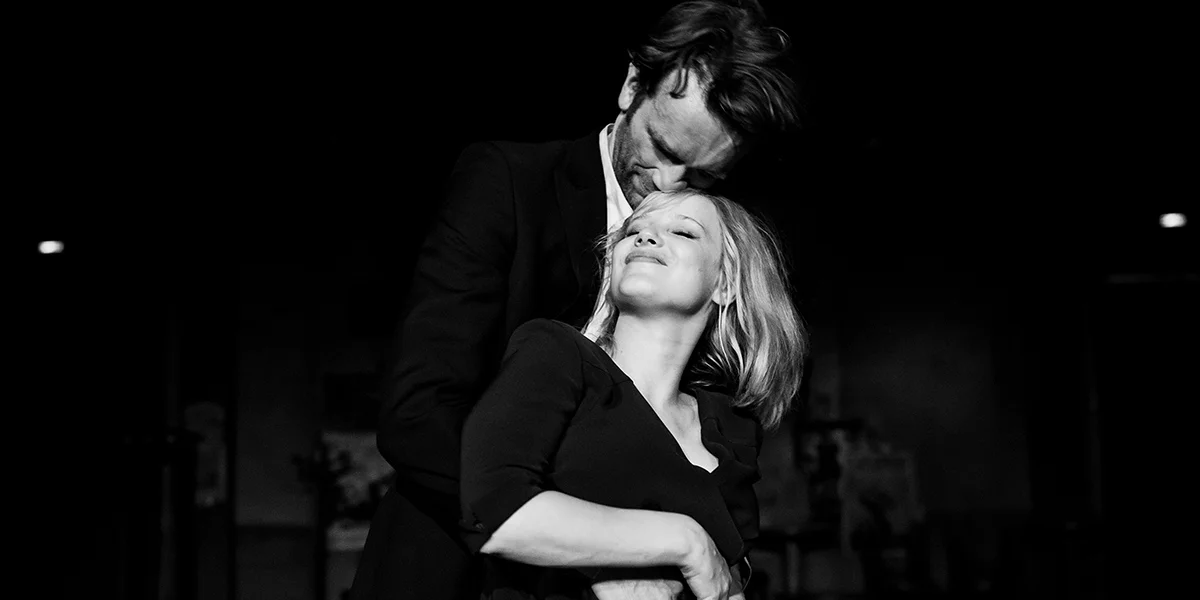
Pawel Pawlikowski’s Cold War was one I immediately wrote down once I saw the TIFF schedule as his previous film, Ida, was one of my favorites of that year. Cold War takes place right after the fall of Berlin and the end of the second World War. A song and dance academy is being opened in Poland as a way to establish a nation spirit for the country after the end of the war with Wiktor and his partner running the music and teaching. The idea is to find songs and dances from the lower class around Poland and create a show built around these known tunes that exemplify the country.

Among the students is Zula, who is immediately noticed to be a bit of a rebel-rouser and someone who has been labeled as trouble after being accused of killing her father and running away. Her talent catches the attention of Wiktor and what begins as tutoring becomes a love affair.

It doesn’t last too long as the shift from celebrating Poland’s national heritage withers away with the emergence of communism and the power of the Soviet Union in the area and Wiktor poses an escape from the academy while they’re touring in Berlin in order to start a new life in Paris. As most love stories go, he shows up — she doesn’t — and we pick up years later in Paris.

Pawlikowski continues the story in a Brief Encounter way, picking up the two characters as their lives intertwine in France and Yugoslav over the years following his desertion of the academy.

Cold War didn’t immediately hook me with the same intensity as Ida — partly because of the somewhat predatory, under-developed nature of their initial courtship (an aspect that seems to appear for the sake of following the long line) and the fact that we lose some of the political context until near the end of the movie.

What was interesting about Cold War at first was this desire to establish national glory after World War II and how quickly that can change when power and money become involved in the scheme. It also plays with this idea of the interwoven nature of art and politics in a propaganda nature — linking less with work by someone like Dinesh D’Souza or Michael Moore, and more with the flag-waving salute finishes of films such as Lone Survivor or American Sniper, which play more as two-hour-long patriotic validations than actual narratives.

The love story at Cold War’s center does become more complex and interesting as the story moves along with Wiktor’s insistence in instilling a singing career for (girl) adding on to the discomfort of how they met.

But in the end, the way to gauge how much the film will affect you is how much you’re moved by this love story as it meets its tragic end. I heard the movie described as “broken people trying to fall in love in a broken world” and that does describe the nature of his romance as questionable morality withstanding, the tightening of this section of Europe by Stalin and the Soviet Union does add more pressure. But it does come back around to your investment in the characters, and while I’ll adhere to the assessment that they are broken people (with a degree of empathy for both of them), they also are too volatile and never offer any small moments of tenderness or genuine affection that shows that an actual spark was there to ignite from.

In the end, it feels like two broken people forcing love for the sake of survival rather than trying, and it led me to give up disappointingly on Cold War.


2018 TIFF Individual Reviews
Comment
mouthpiece_MB_01.jpg

Mouthpiece (2018) by Patricia Rozema

September 25, 2018

Review by Lydia Creech

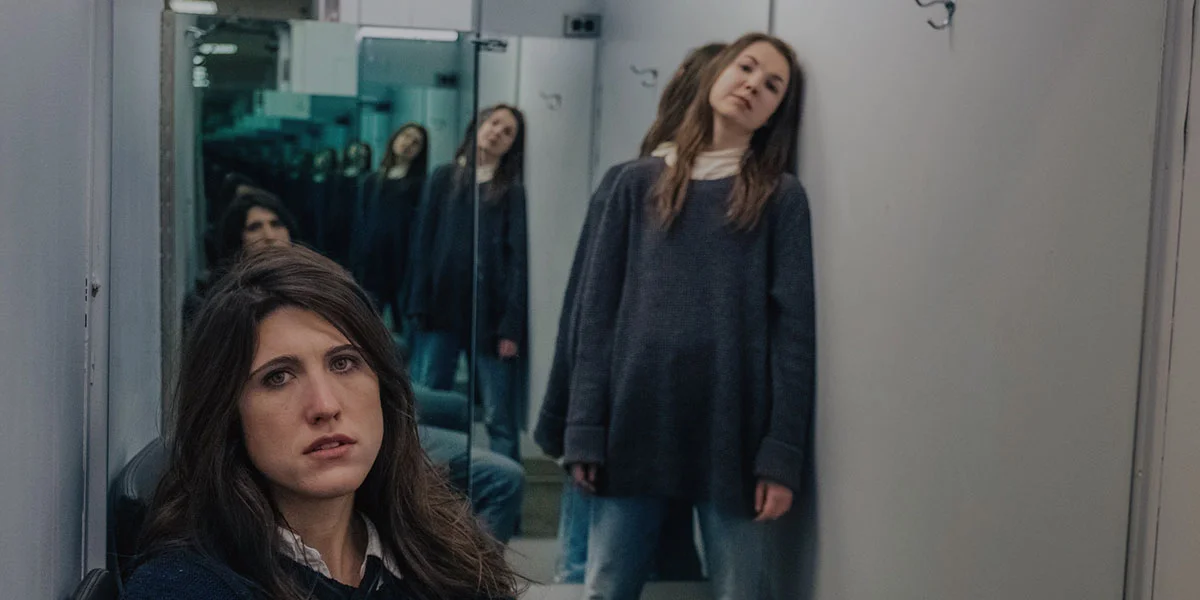
This is the sort of independent filmmaking that festivals can make or break. Adapted from a two-woman play (and starring the two woman playwrights), Mouthpiece is about a woman struggling to write her mother’s eulogy.  Norah Sadava and Amy Nostbakken share the role of Cassandra, which threw me off a little at first. It was surreal watching the two women walk in step or apply moisturizer to each other’s faces or share a bath (thought process before catching on: oh, they’re bffs! oh, they’re… girlfriends? siiiisters? Why isn’t anyone reacting. OH.).

As a central metaphor, the shared-role works wonderfully, literally giving a voice and face to the conflicting thoughts and feelings we have in all of us. We’re never clued in on which is the “real” Cassandra (the credits list them as “Tall Cassandra” and “Short Cassandra”), because, no matter how opposed, all the reactions she has to grief are authentic and understandable. It also resists being pat with the duo-personality thing--one Cassandra isn’t pigeonholed into being the “angry one” or “rational one” or “sad one”--they switch traits and each seem fully developed. The conceit also lends itself to moments of dry humor, such as the different ways the two react to a catcaller or deal with a nylon saleslady.

Most importantly, it gets at how women are multifaceted--something Cassandra finds the hardest to adequately capture about her mother and their relationship. It sounds oversimple--women are people, people are complex--but this is something valuable female filmmakers bring to the screen, and I’m glad I caught this one!


2018 TIFF Individual Reviews
Comment
p06l6vjn.jpg

Vox Lux (2018) by Brady Corbet

September 25, 2018

Review by Andrew Swafford

After spending much of my summer researching mass shootings for my video essay on gun violence in horror movies, I made a point of buying tickets for three movies that were at least tangentially related to the subject: Paul Greengrass’s 22 July, David Gordon Green’s Halloween, and Bracy Corbet’s Vox Lux. None of them came close to being the revelation I call for at the end of the video essay, but this was easily the one that got on my nerves the most.

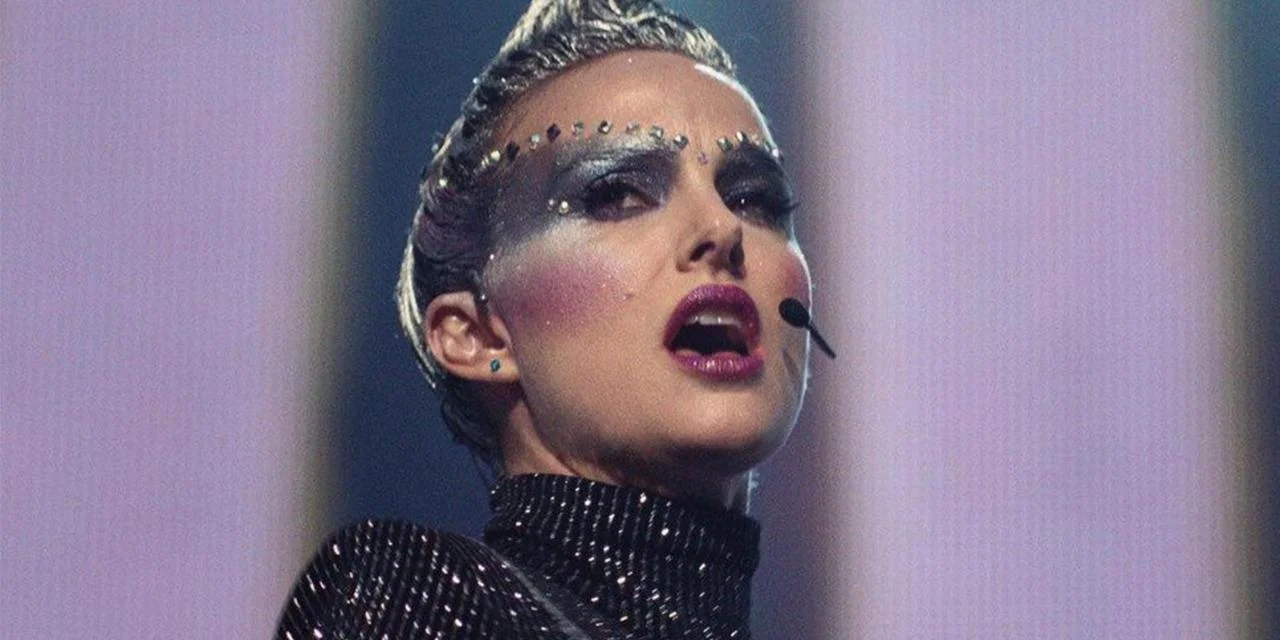
Vox Lux is about a young girl named Celeste who survives a school shooting, rising to national visibility to ultimately stake out a career as a pop idol (complete with original songs by Sia). It started promising, with a school shooting scene that felt appropriately horrifying (partially because it follows the first rule outlined in my video, “gunshots are only scares if they’re surprises”), and I was on the film’s wavelength until it really showed its hand: this is a story about a social climber. Celeste’s story is told in two chapters; in the first half of the film, she’s a teenager played by Raffey Cassidy, and in part two she’s a celebrity played by Natalie Portman--but in both parts, she’s evil. As someone who is particularly concerned about the fatality and trauma of school shootings, I was inclined to sympathy toward Celeste in the early stages, but I soon realized the film did not want me to feel this way. (After all, this is coming from the guy who made the movie about young Hitler being--surprise!--a very naughty boy.)

The way Celeste barters for her life in the opening scene is a deal with the devil, and every subsequent one involves her weaponizing her high-profile victimhood for personal gain--there’s no trauma to wrestle with, apparently, when there’s money to be made and fame to be sought. We’re meant to see her music as vapid, thoughtless commercialism, and Brady Corbet saps away any potential that pop music has for the effervescent by only playing Sia’s original compositions diegetically, sabotaging the sound with bad acoustics and intrusive room noise. (Perhaps it goes without saying that Corbet takes a rockist’s perspective on what is surely one of the most exciting genres of music right now.) In keeping with the supposed emptiness of her music, Celeste’s selfish and debaucherous life choices are often played in fast-forward montage, as portentous narration from none other than Willem Dafoe invites the harshest possible judgement on Celeste’s character. By the time Natalie Portman takes over acting duty as a swaggering, squawking fool, any hope of empathy (for someone who might otherwise rightly be an exploited victim) is long gone. What’s more, the narrative tracks of her journey are lain across a broader arc of modern American history, from Columbine to 9/11 to the election of Donald Trump, using her supposed “loss of innocence” as a blunt instrument with which to pummel American decadence and celebrity-worship. When the final credits roll on Vox Lux, the film is revealed to have a subtitle: “An American Portrait,” which is all the confirmation I need that Corbet doesn’t really give a shit about people at all--he’d rather appropriate their tragedies for his own fakedeep “America bad” allegory.

Corbet doesn’t do himself any favors by, in that same credits sequence, dedicating the film to the late Jonathan Demme, whose generosity and humanity makes Corbet look downright sociopathic by comparison--and who could shoot a live concert considerably better too, I might add. And I shouldn’t knock Corbet’s movie for it’s release date, but upon leaving the theater, I couldn’t help but remark upon the fact that the world premiere of Vox Lux occured on the same day that GKIDS re-released Satoshi Kon’s Perfect Blue, a far superior film about about a vulnerable, dissociative popstar deconstructed and reconstructed by the mass media machine. (It’s also the second time Natalie Portman has, knowingly or unknowingly, placed herself in the center of a movie indebted to Kon.) Satoshi Kon has enough sense to know that these systems take advantage of the vulnerable, and aren’t taken advantage of by them.

Perhaps this is yet another quintessentially millennial incidence of my snowflakier tendencies getting in the way of my appreciating edgy art, but I just can’t get over what Corbet implies here about highly visible survivors of national tragedy. Michael Moore brought David Hogg to TIFF the night before Vox Lux premiered--if I had time to stick around for Corbet’s Q&A, I like to think I would have found the courage to ask: do you think David Hogg is a social climber, Brady Corbet?


2018 TIFF Individual Reviews
Comment
thefrontrunner_USEFORANNOUNCEMENT.jpeg

The Front Runner (2018) by Jason Reitman

September 25, 2018

Review by Zach Dennis

The beginning of day two of the festival started out with a bit of a slog and I blame Hugh Jackman.

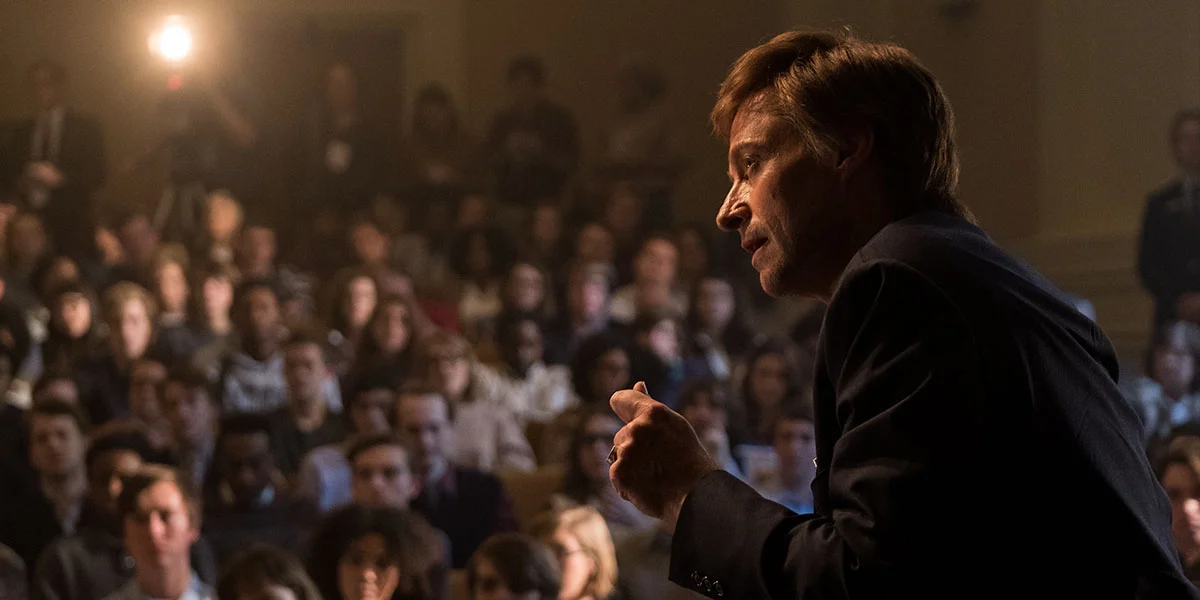
The Front Runner follows the story of Gary Hart, a senator from Colorado that was the Democratic favorite in the 1988 presidential race before an affair scandal derailed and ultimately ended the run. Jackman plays Hart with Vera Farmiga appearing as Hart’s wife, J.K. Simmons as his campaign manager and Sara Paxton as Donna Rice, the woman Hart had an affair with.

I talked about this a bit on Twitter and on the podcast, but this seems to be yet another example of filmmakers trying to respond as quickly as possible to the Trump White House and a lack of understanding that acknowledging there’s an issue is so far past being useful. Similar to something like The Post, Reitman, along with screenwriters Matt Bai and Jay Carson, make multiple winks at the camera in the form of the absurdity of the situation now and how it has become both political and journalistic norms in today’s society.

The joke that one affair could derail this presidential campaign in 1988 and the comparisons to 2016 are so blatantly obvious I’m surprised they didn’t just invite Michael Moore to tag along.

Reitman isn’t saying anything new here and he isn’t showing anything either. The direction is limp and feels like an act of going through the motions. I get that we live in a tumultuous time where people, especially creative people, try to use their outlet to make sense of the chaos, but acknowledging the problem has no consolation here. Until filmmakers discover that, and that attempting to deconstruct or even vilify the actions of the other side, then we have nothing to say here.

In the defense of The Front Runner, I did like the way it handled Donna Rice, who rather than making her the faceless blame of Hart’s fall, is given more agency than other films centering around infidelity by powerful figures have done in the past. A decent portion of the film’s second act is designated to Rice and Hart aide Ginny Terzano (Jenna Kanell) not only probes the idea of martyrdom by media narratives, but the perception of women in the workplace and how their role can be quickly reduced depending on how the situation fluxuates.

I’d also commend the work by Jackman as Hart, who displays an angry disbelief that his transgressions but it also had me thinking whether or not Reitman, Bai and Carson (who worked with Hillary Clinton) were trying to make a connection between Clinton and Hart due to the focus on non-political issues during their campaigns. While it may be far-fetched to connect Hart’s infidelities to Clinton’s email scandal, the way they prop up Hart as this very intelligent, educated politician with answers to every political issue seems close to what the narrative behind Clinton was leading up to the 2016 election. Too bad that seems grossly unfair to Clinton to make that comparison.

The Front Runner seems quickly forgettable, and I don’t see it making as much of a cultural impact when it hits theaters as it would like because, like I said before, it isn’t offering us any new insight on our current political climate and sure doesn’t know how to.


2018 TIFF Individual Reviews
Comment
predator-trailer.jpg

The Predator (2018) by Shane Black

September 25, 2018

Review by Zach Dennis and Lydia Creech

ZACH: I saw this at the TIFF Midnight Madness screening in front of a cheering audience on Thursday night, but Lydia, I want you to join in on this conversation since you saw it the following night. It was a kind of loaded screening on Friday as news of a sex offender, who was friends with Shane Black, were circulated on the web and the complete disregard of Olivia Munn, who brought it to the attention of the studio, had yet to begin as she was at the showing with fellow cast members, who in retrospect are all jerks.

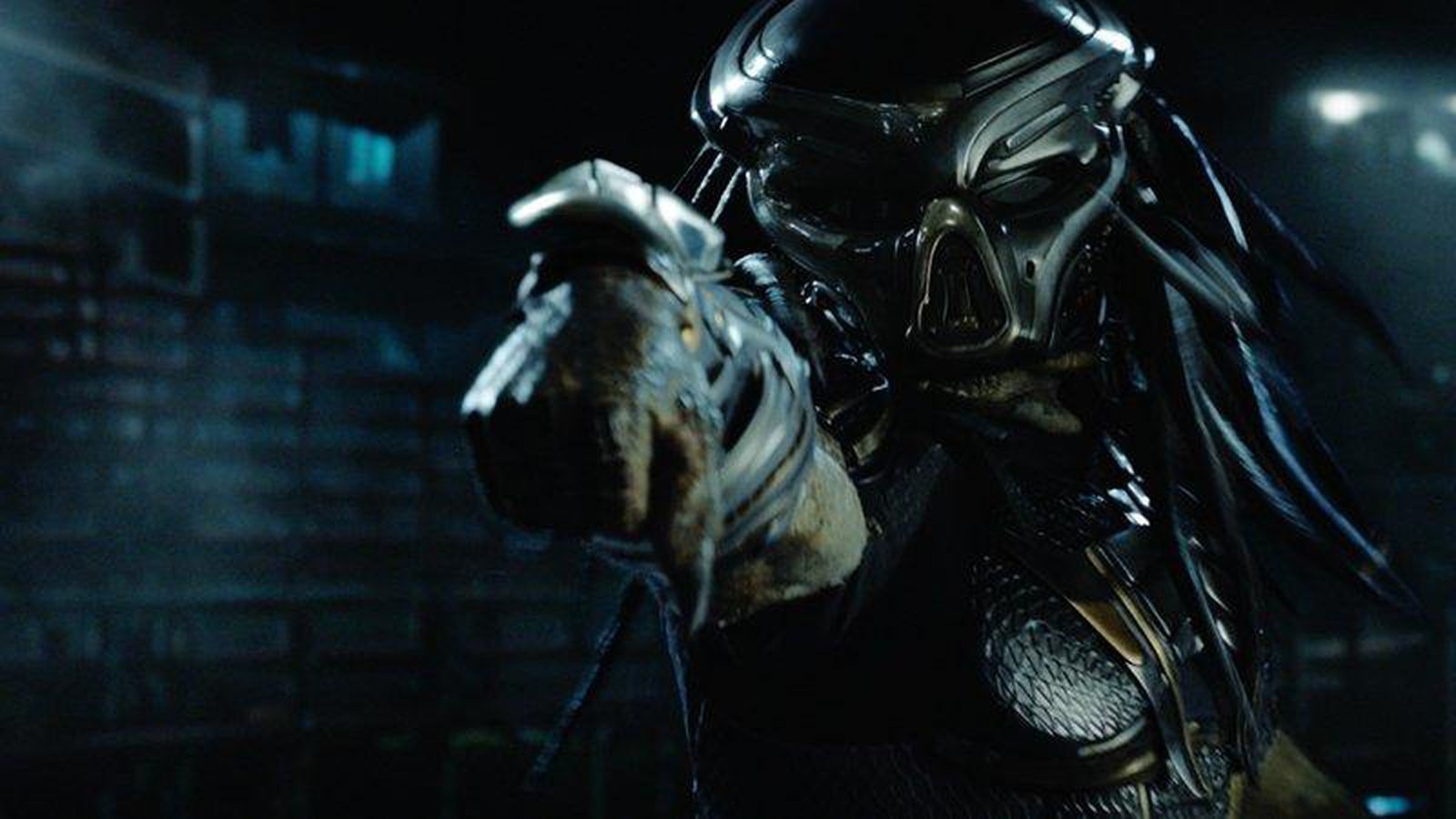
Black, who was an actor in the original Predator, helmed and co-wrote this update of sorts and enlisted Boyd Holbrook, Munn, Sterling K. Brown, Keegan Michael-Key and Trevante Rhodes among others to be the latest iteration of the team. We talked extensively about this on our Day 2 diary, but this just wasn’t a blockbuster that worked. It has been documented previously that there were shooting and set issues that caused it to find some delays and it seemed to show in the final edit. I described it twice in our diaries as a mix between the 80s action movies that Predator was among but merged with the more tongue-in-cheek sensibilities of Black, to an extent, but also the rise in popularity of irreverent blockbusters such as Deadpool.

The combination doesn’t work as the movie is never sure how to tow the line between being a normal action movie and being a “comedy” of sorts. Mix that with the poorly shot action, boring characters and distinct fascination with being “edgy,” this was just a lot of things and none of them good. What did you think?

LYDIA: While certainly the least of my issues with The Predator, I think it was bound to fail right from the casting. Boyd Holbrook is certainly no Arnold Schwarzenegger, and I think if Black wanted to go for the quippy, non-PC, macho style of humor, he needed a much more charismatic lead. As is, the main character is just an unsympathetic, violent dirtbag.

ZACH: Yeah, I have to agree with that. Holbrook feels like a version of a Jai Courtney, Sam Worthington, insert straight white male name that we tend to see in franchise movies. The rest of the cast though is littered with random inclusions like Brown, Michael-Key, Munn and Rhodes. Did anyone else work for you to make up for Holbrook?

LYDIA: Trevante Rhodes was actually really good (other than being disappointingly silent re: Olivia Munn speaking out), and I’d have much rather have seen him given more to do. The Predator also just fails to recreate the group dynamic from the original, or perhaps it’s not really interested in doing so…

I think my problem with Shane Black is that I don’t vibe on the same level of (oh gods) Irony. I can’t tell if he likes the genres he works in (compare to the Halloween reboot, which clearly loves horror). It seems like he’s more interested in punching down than making any sort of satirical point. For example, is the main character such a POS because he’s critiquing the 80’s style of action hero, saying, “hey, these guys aren’t really so heroic,” or does Shane Black honestly think audiences should relate to characters like that?

ZACH: I’m not totally sure. I’m hit-or-miss with Black. Our thoughts as a podcast are well documented in the episode on Kiss Kiss Bang Bang, but I thought The Nice Guys a few years ago was very enjoyable. We talked about this on our TIFF diary, but maybe something like Nice Guys works because it includes characters that are clearly not supposed to be role models and both Black and the characters themselves are aware of their shitty-ness.

As for his critiquing of the 80’s action hero, I’m not sure there is really any critique here, right? Like, Holbrook and these characters are just sort of more aware of their surroundings but nothing seems very intelligent in the form of a riff on the trope. I said it before, but it follows the same path as Deadpool in that the meta-commentary is supposed to be the critique and it works more as just a form of delivering jokes and doesn’t have any true commentary to it. Maybe we should just retire this style of joke-making (I blame Family Guy overall for this reliance on self-reflexive or meta humor in modern comedies) and just make an entertaining action movie with fun characters???? But that may be too much to ask for.

LYDIA: And that’s why I skipped Deadpool…

I know Black has done a fun riff on 80’s action with Last Action Hero (actually starring Schwarzenegger!), but I’m afraid to go back to it considering how I feel about his recent output. I agree, I don’t think Black is thoughtfully doing anything.

ZACH: Between the actual movie and what happened with the cast while we were in Toronto, I don’t see anymore Predator movies coming down the pipeline anytime soon. I’ll also be interested to see what Black does next as it seems like he is relegated to more genre studio fare rather than larger properties like this and Iron Man 3, which wasn’t unsuccessful but isn’t seen as one of the highlights of the Marvel oeuvre.

I also would LOVE to see you watch Deadpool. Can we make that happen, please?


2018 TIFF Individual Reviews
Comment
STYX_0HERO.jpg

Styx (2018) by Wolfgang Fischer

September 25, 2018

Review by Andrew Swafford

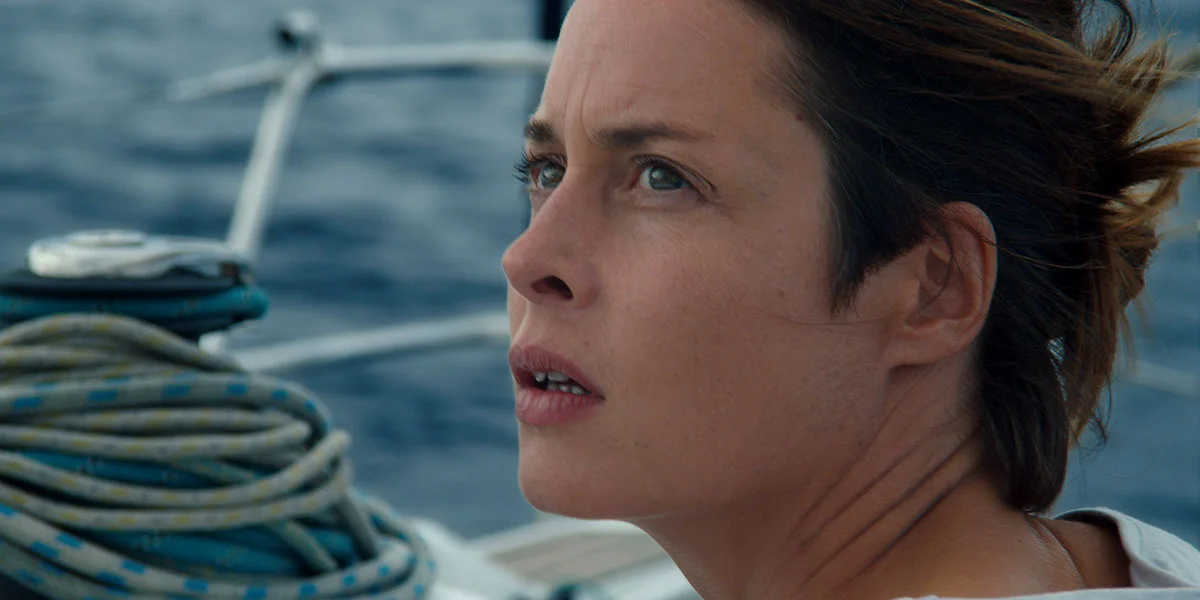
Styx is the kind of movie I imagine you can’t leave an international art film festival without seeing at least one of: an austere European drama with unknown actors about serious and pressing contemporary issues. In this case, the issue at hand is the global refugee crisis, here explored in the form of a seaborne morality play.

The film follows a character named Rieke who works selflessly as an ambulance doctor, handling the heaviness of death on a daily basis. An opening scene of her silently looking into the eyes of a dying motorist in the middle of the night is all the buy-in we need to justify where the film goes next: on vacation. Rieke boards her cruising yacht and sets out on a rejuvenating voyage across the ocean towards Ascension Island, an artificial biome created by none other than Charles Darwin. Rieke never arrives on Ascension Island, but Styx revels in the pains and pleasures of her journey: from the methodical struggles of hoisting the sail and surviving storms to the weightless solitude of mid-day swimming and napping. The film needs almost no dialogue up to a certain point, and is able to tell its story visually through body language and bold framing, often setting the human body in opposition to the chaotic power of the sea, which often takes up the bottom two quadrants of the screen--although cordial radio conversations with the Coast Guard and a passing luxury liner serve as important foreshadowing of things to come.

The film’s political concerns take center stage when Rieke comes across a slowly sinking ship full of refugees from an unspecified country in Africa. She’s forewarned by the Coast Guard not to approach, as her yacht doesn’t have the necessary space--and her presence might invite refugees to jump ship. She hesitates and proves the coast guard right: at least a half-dozen migrants start swimming to her, only one boy surviving the trip. The film lingers on the slow, laborious process necessary to save a single human life, perhaps to imply the sheer impossibility of a single person saving so many. A broader system is necessary for such a task: but what if the Coast Guard does nothing? A sense of guilt and gnawing worry keeps Rieke at a distance from the sinking ship, and she increasingly comes in conflict with the boy she saved, who insists she attempt to rescue his family members. As its grimly mythic title suggests, the film is a bleak one, laser-focused on a single moral dilemma: when our systems of justice aren’t to be trusted, what duty does a single person have to make a difference--especially when every decision perpetuates more and more trouble? To quote what is still, to me, the best movie of the year: somebody’s got to do something!

Styx may ultimately fall prey to its own pessimistic conceit: its aware of the problem, but does it ultimately accomplish anything? The film is so concerned with the ethics of global politics that it obviously wants to make a difference, but how much of a difference does it make to show an audience full of privileged academic-types that refugees around the world are suffering and we ultimately can’t do much as individuals to help them? I admire the film’s clarity in constructing a potent moral allegory--and the muscular, tactile way in which it’s presented visually--but I’m still left scratching my head as to what exactly counts as success for a morality play like this: does it need to transcend its form somehow? Does it need to offer a solution? Or does it simply need to pose the right question? Styx certainly does that.


2018 TIFF Individual Reviews
Comment
Girls_of_the_sun_0HERO.jpg

Girls of the Sun (2018) by Eva Husson

September 25, 2018

Review by Lydia Creech

I kinda liked it? But I 100% see a lot of the criticism this film has been getting….

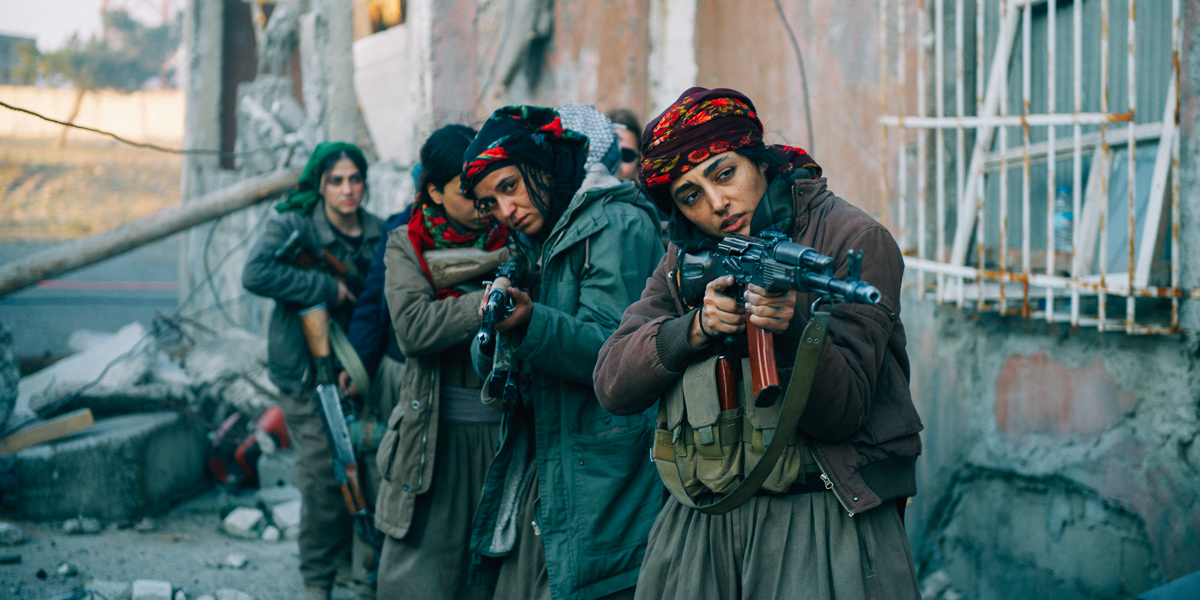
In her director’s intro, Eva Husson explained that this was based on true accounts of female Kurdish combat units. There have been several newsy, expose pieces over the years about the female Peshmerna (or PKK? The movie flattens the various political and ethnic groups, which has drawn a bit of criticism out of Canne), and Girls of the Sun combines a lot of the journalism and accounts to present a sort of coherent picture of one unit. It follows the audience “in,” French war correspondent Mathilde (Emmanuelle Bercot) as she is embedded in a unit made up specifically of escaped or rescued Yazidi (the movie never specifics this, apparently) women.

The unit is led by Captain Bahar (Iranian actress Golshifteh Farahani), and her backstory (father and husband executed, child stolen, sold with her sister into sex slavery) is supposed to stand for all the women’s. The women are formidable soldiers (they make this terrifying, ululating war cry), and the cause of fighting ISIS to reclaim your homeland (and regain a sense of personal agency) is as sympathetic as you can get.

Right away, you can see how the telling of this sort of story could fall into cinematic and narrative cliche. I can’t say that it bothered me that much, though. The story of these women seems an obvious pick to make a movie about, and Husson directs a war movie as well as any I’ve seen (leaving aside the thorny ethical issues of the value of making war movies at all and/or maybe this isn’t Husson’s story to tell...), with gorgeous widescreen cinematography to boot.


2018 TIFF Individual Reviews
Comment
viceofhope_0HERO.jpg

The Vice of Hope (2018) by Edoardo De Angelis

September 25, 2018

Review by Zach Dennis

I added this one last minute in order to have something to do prior to seeing The Predator at the first midnight madness of the festival, and sadly I don’t have much to say about it.

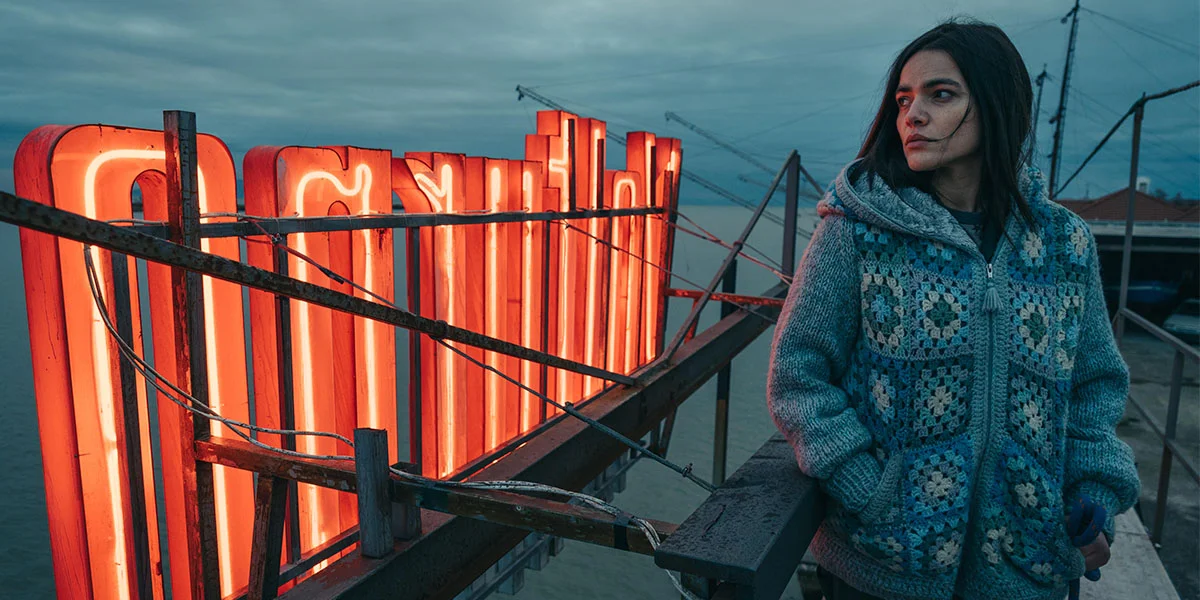
The Vice of Hope follows Maria (Pina Turco), an overseer of child trafficking in Castel Volturno, which is an area outside of Naples known for being one of the most lawless in Italy. She works for her “aunt” and is tasked with taking pregnant women, generally prostitutes, to a middle person that brings them to their final destination where they have the child. One of the women needed for the next delivery is missing and Maria is asked to find her in order to avoid dire consequences.

As all this comes to fruition, Maria also learns that she herself is pregnant and plans to have the baby against the advice of her doctor, who advises that it may end in the loss of her life.

Maybe I’m jaded, but this seems to be another case of a foreign film masked as prestige, important, etc. due to its subject matter and the level of weight the actors are carrying because of that. Not to say the story isn’t powerful — Turco gives an outstanding performance as Maria — but the film just doesn’t have enough power to generate a lot of investment in this somewhat cloudy narrative and pacing problems bring it to a standstill at times. The addition of other subplots muddle the final product a bit, but I did enjoy the relationship between Maria and a young girl who was rejected by the trafficking ring due to a walking defect and her neighbor, who is given an odd connection to Maria at the last moment.

To me, it never seemed like we were offered a true sense of fear about the lawlessness of the town. You see the ringleaders, the pimps and the petty criminals, but there is never a true sense of danger unless you’re Maria’s poor dog and you run into a passing snake. At times, it feels like this is dangerous in word only and not by any sort of true manufactured fear and that just made it more of a job working through the narrative rather than a worthwhile ride.

I will commend it on its use of musical cues, with a percussive rumble soundtracking Maria’s boat ride with the women to send them off for purchase offering this eerie, removed feeling.


2018 TIFF Individual Reviews
Comment
greta_02.jpg

Greta (2018) by Neil Jordan

September 25, 2018

Review by Andrew Swafford and Lydia Creech

ANDREW: As we’ve discussed on the podcast, Lydia and I had so much damn fun watching Greta. We knew next-to-nothing about the film going in other than that it starred Chloe Grace Moretz, Maika Monroe, and Isabelle Huppert--we didn’t even bother to look up information about the director, which would have been illuminating, considering he’s the guy behind Interview with the Vampire, The Company of Wolves, and Byzantium. But going into movies relatively blind is one of the real pleasures of film-festival-going, and Greta was my biggest surprise of TIFF 2018. It’s a surprisingly scary film, which seemed to shock not only us, but also many of our fellow audience members who were there to see the latest Isabelle Huppert vehicle rather than the pulpy, campy fright-fest that Greta ended up being.

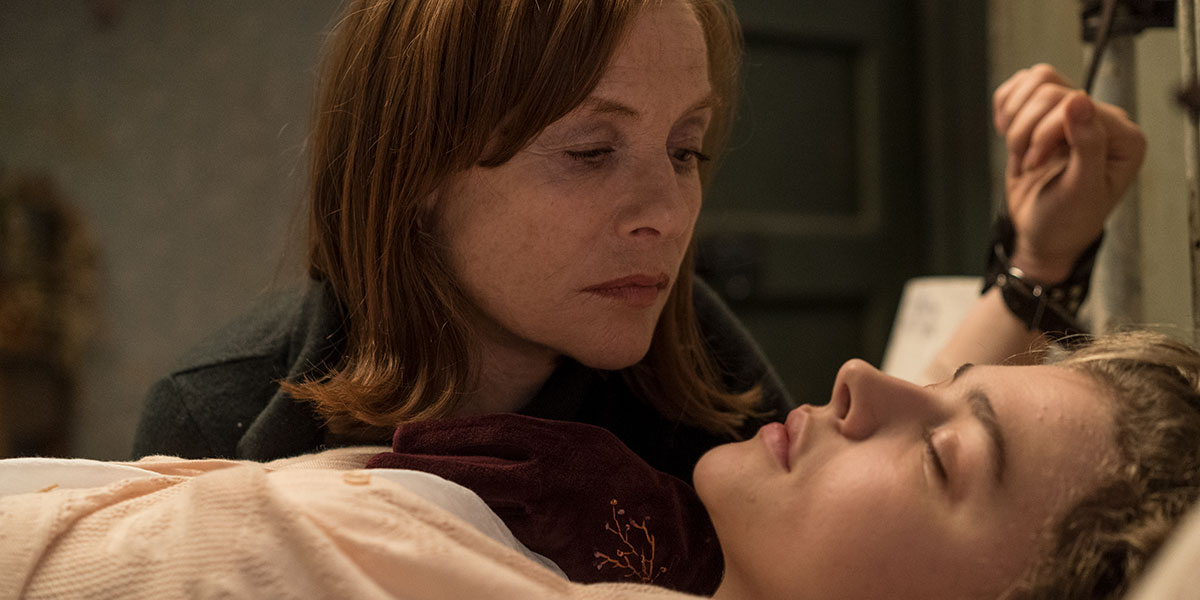
Plot-wise, we can only say so much: Chloe Grace Moretz plays a struggling New York waitress named Frances, who one day finds an expensive-looking green purse left on a subway train. The ID within the bag reveal that it belongs to an elderly woman, and Moretz gets invited in for tea when she returns it. Isabelle Huppert plays Greta, the lady in question--she tells Frances that she’s recently widowed and that her daughter lives abroad. The pair of women end up cultivating an unlikely friendship; Frances has recently lost her mom, and seems relieved to find another lonely soul who also happens to double as a surrogate mother-figure. They’re cute together: Frances takes Greta out to buy a dog, and they go on walks and take selfies on Greta’s Nokia dumbphone. The movie hums along on that cozy little frequency for quite some time before taking a hard left: while over at Greta’s house for a dinner date, Frances opens a cabinet door to find many shelves full of expensive-looking green purses, all stuck with post-it notes inscribed with names of various girls. After this point, the film operates as a pretty nasty thriller that is both twisty and classical--imagine if Hitchcock was working in a world where Audition already exists--and it kept this jaded horror fan jumping for the full runtime.

I could see this movie playing like gangbusters to a wide audience come this October, and thankfully, it got picked up by Focus Features, so my fingers are crossed I get to see it again sooner rather than later. The reviews have been fairly tepid, however, which I tend to think might be because of Neil Jordan’s total willingness to draw inside the lines of archetypal storytelling: he is a fairy tale filmmaker after all, and this ends up basically being a riff on “Bluebeard.” Why do you think other critics aren’t appreciating that as much as we did, Lydia?

LYDIA: I wonder if people just aren’t familiar with the “Bluebeard” fairytale? I don’t know if people found it predictable or not scary or too whimsical from Huppert… Once I realized where Jordan was taking this, many of the “twists” became incredibly signposted, which didn’t diminish the impact for me at all (in fact, that made some things more horrifying).

I’ve been thinking about the value of telling and retelling stories. What Jordan has done here is ditch the sexual dynamic, but it’s still a predatory, age-inappropriate relationship cautionary tale, updated to the modern era. I think some of the scariest stuff isn’t necessarily how Greta was behaving (I meeeeean, that was scary, too), but how other people were responding to Frances’s distress, like the manager of the restaurant forcing her to still serve Greta and the police being useless in stalking situations. I loved the addition of the street savvy best friend character, too.

ANDREW: Yeah, the movie is super-interested in the logistics of handling a stalker--the line between keeping yourself safe at work and maintaining professionalism, the relative in-the-moment uselessness of restraining orders, the permeability of privacy and personal space in the social media era, etc. Greta isn’t a movie with a looot on it’s mind, but I think there are still interesting conversations to have around it, just like with most fairy-tale-inspired stories.

LYDIA: The moral of the story is: If you find a lost purse, just steal the money out of it, kids!

ANDREW: Exactly. Go treat yourself to a colonic.


2018 TIFF Individual Reviews
Tags hong
Comment
hotelbytheriver_0HERO.jpg

Hotel by the River (2018) by Hong Sang-soo

September 25, 2018

Review by Zach Dennis

I’ve been enjoying Hong’s career for the past few years after a number of our contributors passed along the quiet elegance of his stories. Hong films feel like a dictionary example of “this is not for everyone” as the pace, narrative structure and all around feel of his films feels foreign — not because he hails from Korea — but that they seem to drift through time with no real definition.

The same could be said about his latest, Hotel by the River, a story that finds an old poet (Joo-Bong Ki) hiding away in a...yes, hotel by a river. After two weeks of being there, he calls his two sons — one a family man (Hae-hyo Kwon) and another a film director beginning to generate buzz over his last movie (Joon-Sang Yoo). The sons are necessarily estranged from their father, but the relationship is distant and his history with their mother has created a rift that neither has fully come to terms with.

Also taking place at the hotel is a reunion between two friends (Min-hee Kim and Seon-mi Song) who have had a rough stretch with relationships and seek a respite (and for most of the movie, a nice lie down).

Hong has been playing with more narrative ambitions, specifically in my favorite of his recent work, Right Now, Wrong Then, but this one seems straight to the point and that makes it almost an outlier. His characters usually find ambiguous endings, or ones that lack any sort of change from what they went through over the course of the story. Hotel by the River feels more tangible than that as the concept of death lingers over the story (particularly the one between the father and his sons) more heavily than it has in any of the films of Hong’s I’ve seen.

It carries the usual trademarks, including an almost sad meta-joke on the director by the two female friends, who remark that he makes good movies but they are ones no one actually sees, and that his most recent was a little much. The director doesn’t seem to shy away from digging into himself or his own life (as those who watched On a Beach At Night Alone can attest to), but there is something more contemplative and dejected about this narrative.

I won’t spoil where it ends up going, but it meets a more defined ending than I’ve seen in his other movies and this divergence from the norm while still keeping the aesthetic he has established was interesting to me. Other than the narrative, this is absolutely the most gorgeous of his films that I’ve seen as his choice to have the film in black-and-white plays pleasingly against the falling snow, frozen river and bankside village that looks to the hotel.

For fans of Hong, there’s a lot to uncover in Hotel by the River and I’m wondering what this signals for future work of his. The only negative I have is that we spent the morning prior to my watching of this solving minor issues for the weekend and waking up after a late flight in for you all so this was a nice slumbering movie as the softness of the cotton hotel sheets and slow fall of the snow was everything romantic and more.


2018 TIFF Individual Reviews
Tags hong
Comment
← Newer Posts

Powered by Squarespace