• Episodes
  • Festival Coverage
  • Video Essays
  • Writing
Menu

Cinematary

where film criticism goes to die
  • Episodes
  • Festival Coverage
  • Video Essays
  • Writing

Portrait of a Lady on Fire (2019) by Céline Sciamma

October 7, 2019

Review by Jessica Carr, Zach Dennis, and Andrew Swafford

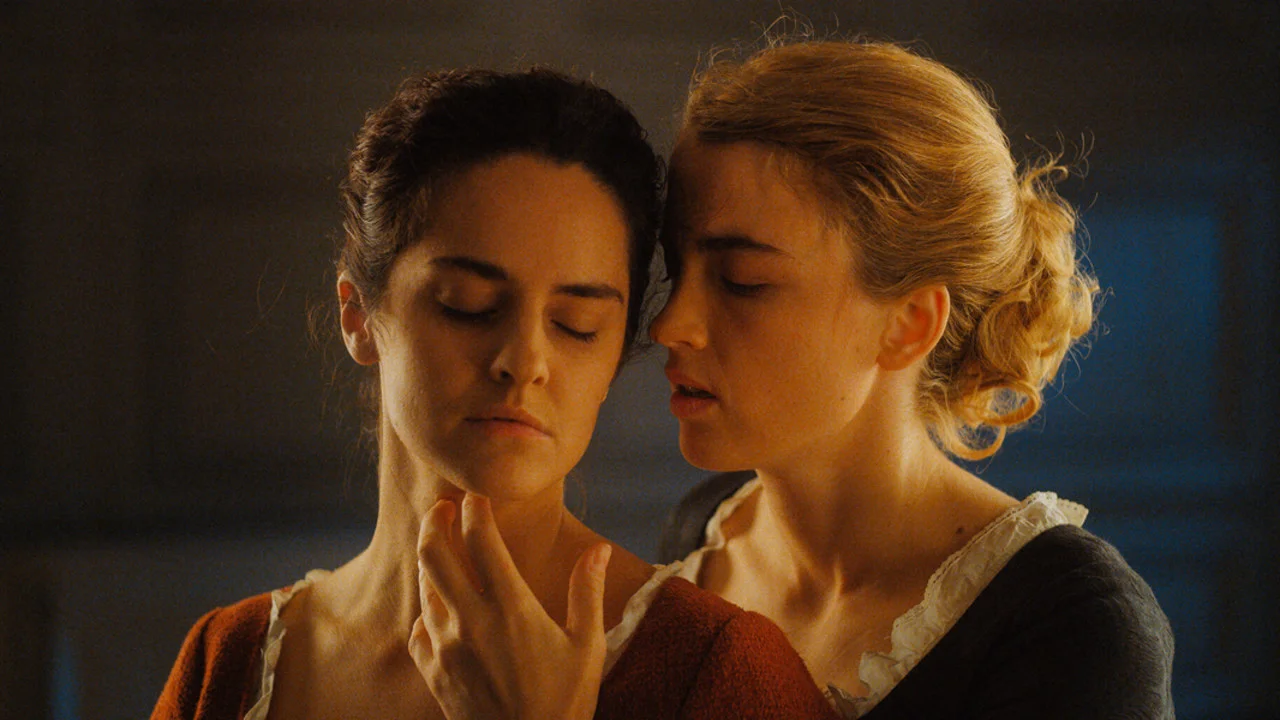
Jessica: Sciamma's latest film plunges us into the depths of passion! We follow a painter in 1770 that is commissioned by a French countess to secretly paint her daughter's wedding portrait. The two begin to spend more and more time together as the painter studies her so she can capture her essence in the painting. Then, boom! They fall in love! There is literal fire here, people. 🔥

But seriously, I absolutely loved this film. The attraction between the two female leads has such a nice build to it, and I was emotionally invested from the very beginning. How about you, Zach? 

Zach: I love the flow of this film. The scenery and the ambiance feels like something mysterious and beautiful. It kind of leads you into its world without completely bringing you in – if that makes sense.

As the gradual attraction between the two characters mounts and the serenity of the entire experience begins to wash over you, it really goes into another gear. There is the scene halfway through where Marianne and Héloïse are at this bonfire gathering that just lifts you out of this very simple story structure and implants you into a heightened odyssey of passion.

Andrew, what did you lock into with this film?

Andrew: For me, the experience of Portrait of a Lady on Fire was deeply enhanced by sound. There’s no score whatsoever in this film (only about three crucial instances of diegetic music), and the dialogue is as quiet as it is sparse, which opens up so much space in the mix to hear sounds that you normally wouldn’t. 

Like Jessica alluded to, one of the most prominent sounds is literal fire – the film is set at time before electricity, so every scene is lit either by flickering candles or a crackling fireplace. The manor where the romance takes place is also on a cliffside, so you’re often hearing crashing waves and roaring wind coming from far offscreen. There are also even smaller sounds: the shuffling of shoes on hardwood floors, the coarse hairs of a well-used paintbrush scraping across a fresh canvas, and, perhaps most importantly, the sound of barely concealed, sharp intakes of breath when one of the lovers is struck by the other’s beauty or presence. Céline Sciamma has always been a director who is great at getting her actors to communicate nonverbally, but with Portrait of a Lady on Fire, the whole world of the film is communicating the sexual tension that exists between these two women with its constantly ASMR-inducing soundscape.

I think it’s very possible that queer audiences who have been starved for high-quality romance films like this might want more from the film visually – I feel like I should warn people that the film almost feels censored in the way it cuts away right before the relationship escalates from romantic to sexual – but I thought the film was so impressive in the way it used sound to give its audience a heightened sensory experience.
Tags tiff19, lgbt
Comment
vardabyagnes_0HERO.jpg

Varda by Agnès (2019) by Agnès Varda

October 7, 2019

Review by Zach Dennis, Jessica Carr, and Andrew Swafford

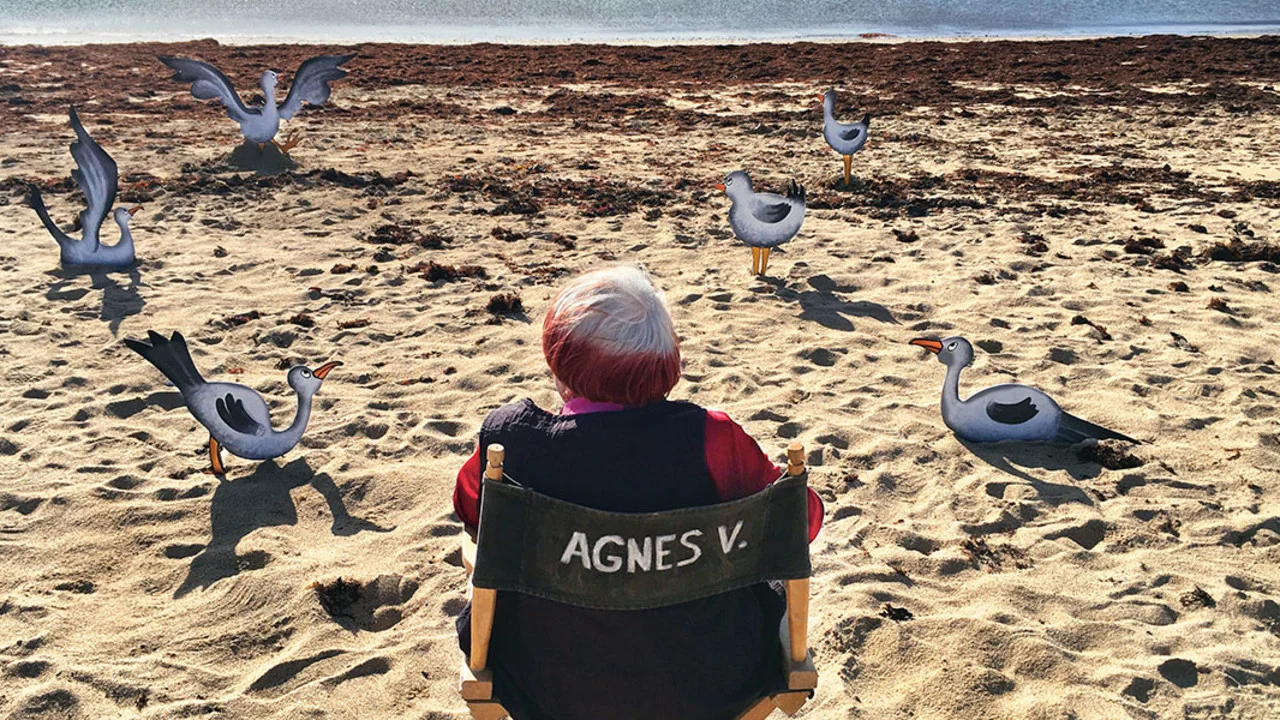
Zach: This will be a curious discussion because I don’t think any of us would classify ourselves as particularly well-researched Agnès Varda viewers. Not to say we dislike her, but as for myself, I have only seen a handful of her movies and most of those are just the hits. Varda by Agnès feels like another attempt at a send-off for the director – a label that could also be used to describe her films like Beaches of Agnès or Faces Places – but this was her actual final film, its release following her death in March of this year. There is this bittersweet and moving quality to it, as the director (who really has no pretensions and is very passionate about using her work to connect to others) speaks about her career. I really enjoyed this even if it wasn’t incredibly inventive in style. She has reimagined cinematic form so many times in her career, and this wasn’t the film for it.

Did it move you, Jessica?

Jessica: I definitely felt a spark of inspiration when I left the theater after watching Varda by Agnés. It's clear that Varda made a huge impact not only on female filmmakers, but also female creatives working in all mediums. I guess I didn't realize how involved in the art world Varda was. She created large scale art installations along with her films and various other projects, and it's crazy how she was able to penetrate the art world in so many ways. The most beautiful thing about Varda to me was how she could turn almost any subject matter into something meaningful. From a documentary about couples who collect trains to an art installation featuring heart shaped potatoes, she had an uncanny ability to turn something mundane into something extraordinary. 

I agree that the format of the film made it a little less interesting, but it still made me want to watch more Varda films which I think is a good takeaway. What did you think, Andrew?

Andrew: I’ll mostly just cosign all you have said here. It’s a great watchlist generator for the Varda movies I have overlooked up to this point, a firsthand look at a lot of art installations that we would have no access to otherwise, and a poignant send-off for her as a director, especially valuable in the way it brings into clear focus her larger project – which, on one level, is about blurring lines between documentary and fiction storytelling modes.

And speaking of storytelling modes, the visual format of the movie reminded me a lot of current trends in video-essaying (cutting back and forth between Varda talking to the camera and film clips she offers commentary on), which felt weird to watch in an enormous, sold-out theater. However, there are quite a few instances of interesting staging for those addresses from Varda, like one where she speaks to the lead from Vagabond at one of their shooting locations – and another in that same location where she’s talking about that film’s tracking shots while sitting on the same type of platform that she would have used to make them. At moments like this, the monologuing is extremely engaging – and even when it isn’t, the fact that we have a whole film’s worth of Varda speaking directly to her audience at all is a blessing. When the movie started with Varda just addressing a crowd of people, I remember thinking to myself, “I hope she just keeps talking” – and she does.

Tags tiff19
Comment
copperfield_01.jpg

The Personal History of David Copperfield (2019) by Armando Iannucci

October 7, 2019

Review by Zach Dennis and Andrew Swafford

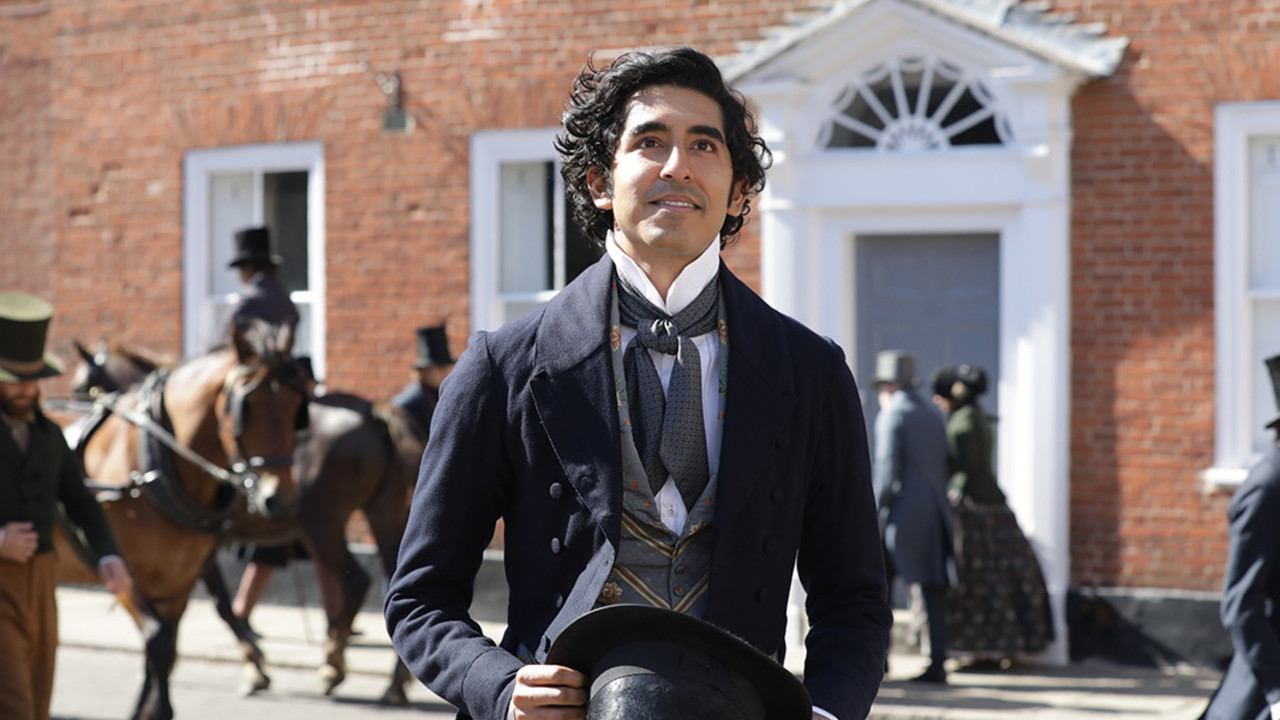
Zach: This was the world premiere of the latest film from Armando Iannucci, who is known for Veep here in the United States but also The Thick of It and In the Loop in the United Kingdom. I was a big fan of his latest, The Death of Stalin, and his brand of satire seems perfectly fitted for the current cultural landscape. The Personal History of David Copperfield is a bit of a departure from all of those previous works, however and seems to be more of a straight (to an extent) adaptation of the classic Charles Dickens novel.

I’ll admit I was a bit disappointed that this didn’t contain the same sharp tongue that the rest of his work does. This is not to say it isn’t funny at times, but it just didn’t seem to have much that stood out to me – it just kind of landed with a thud. What did you think, Andrew?

Andrew: I completely agree – this movie just never quite comes together and doesn’t accomplish much of anything. When he was introducing the film, Iannucci made some comment about how this movie takes place a long time before Brexit, and I was primed for him to use Dickens as a springboard to address something contemporary (his work in The Death of Stalin proves that he is extremely capable of making the past feel extremely present). Instead, Iannucci opts to tell the David Copperfield story more or less straight, his only artistic embellishments coming in the form of obviously punched up dialogue, which is full of awkward miscommunication and jabbing sarcasm. It made me laugh on more than one occasion (mostly due to supporting cast members like Hugh Laurie, Peter Capaldi, and Tilda Swinton, who at one point literally shouts “get off my lawn” and kicks a donkey), but it never felt like it transcended (a) it’s PG rating, especially considering the unbelievable way Iannucci strings together swears in his film In the Loop, or (b) the conversational rhythms of TV comedy. 

In a way, I think this film would have been much better suited as a TV mini-series. Iannucci is no stranger to the medium, after all, and Charles Dickens’ episodic writing style (which came as a result of being published in periodicals) would likely translate much better into a season of television as opposed to a film that should ideally cohere to a single arc. The multifaceted, time-hopping nature of a life-story told in retrospect is done very sloppily here, and the flimsy strings holding the whole thing together become more and more distracting as the film attempts to come to its very bumpy conclusion. 

Zach: I think you nailed it. There is nothing inherently wrong with the movie aside from the poor script, but I side with you when it comes to the humor. Everything felt forced and almost like it was winking at you, less relying on a knowledge of Dickensian England and moreso just relying on the actors that you mentioned playing absurd personas within that period of history. I guess that’s where he found his modern touch, but I agree – there isn’t much there.

He said prior to the movie that he was wanted to make the movie because he felt David Copperfield’s foils relate to modern life, but sadly, it seemed like a BBC Masterpiece movie rather than a biting comedy from someone who has become the forebearer for modern satire.

Tags tiff19
Comment
truth_0HERO.jpeg

The Truth (2019) by Hirokazu Kore-eda

October 7, 2019

Review by Zach Dennis

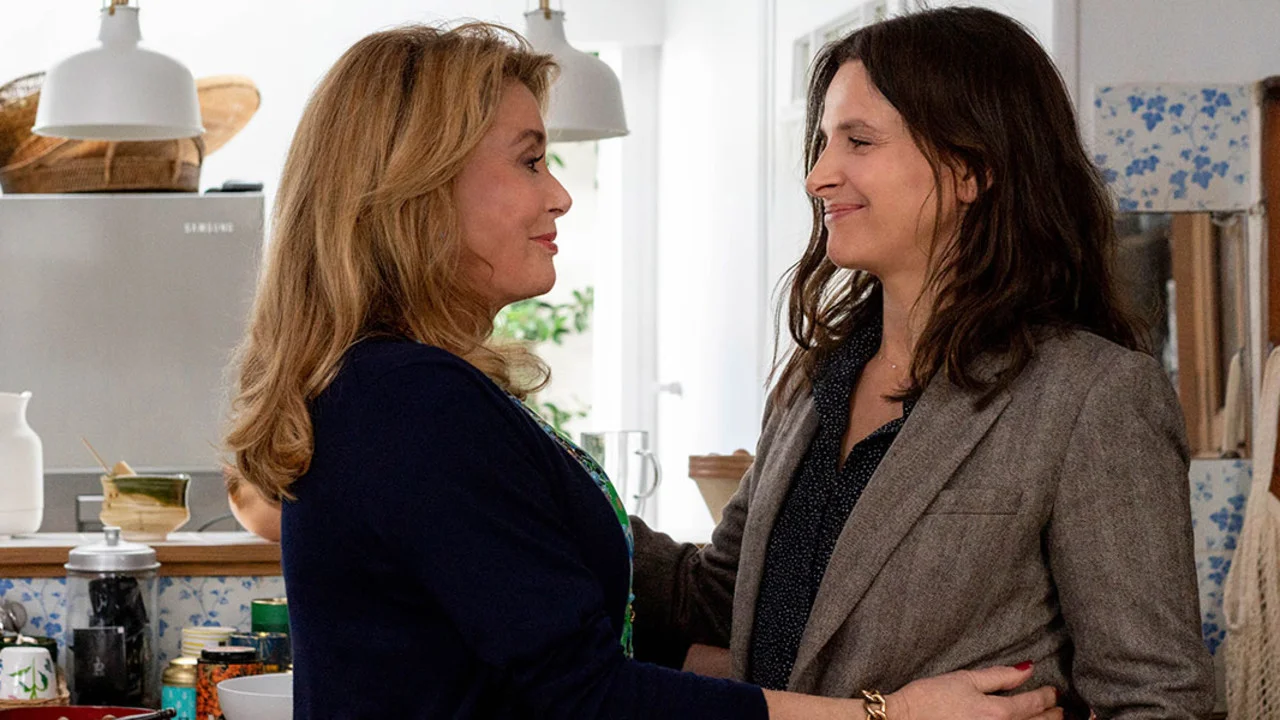
Shifting his gaze for the first time ever from his native Japan, writer/director Hirokazu Kore-eda keeps the essence of his work with familial dramas but brings it to the streets of Paris with The Truth.

A renowned French actress, Fabienne (Catherine Deneuve) is releasing her memoir (also titled “The Truth”) and her daughter Lumir (Juliette Binoche) comes to France to celebrate the release with her husband (Ethan Hawke) and daughter (Clémentine Grenier) in tow. Lumir and her mother has a strenuous relationship – the daughter finds her mother too self-obsessed and distant due to her career, while the mother finds her daughter too self-sufficient for her own good and in no need of a caretaker.

At the same time as their visit, Fabienne is filming a small science fiction film about a woman who, due to a debilitating illness, stays in outer space for seven years at a time before coming home to briefly visit her family. Playing the woman’s daughter in her 70s and 80s, Fabienne tells people that she doesn’t think much of the film, but her advisor tells Lumir that she took the role because its lead, Manon (Manon Clavel), reminds her of her friend Sarah, who’s suicide has become a stringent note in the relationship between the mother and daughter.

Whereas Kore-eda’s last film, Shoplifters, was a story of a handful of strangers cobbling themselves together to become a family, The Truth is the opposite. Shoplifters examines the deep connections that can lead to the roots of a family, but The Truth shows how even if these roots are in place for one family member, the ones they are connected to may not always see things the same way. As Lumir makes her way through Fabienne’s memoir, she brings up the inconsistencies in her stories about her upbringing – also noting that she “killed off” her very much alive father and never mentioned Sarah.

But as Lumir learns, she even misremembers some moments of her childhood. While we would love to believe our memory is a bank of every moment of our lives, The Truth engages with the idea that we create a narrative for ourselves based on how others have treated us – that we often build up stories that never actually happened.

As Kore-eda shows, this comes from having too much familiarity with the other person, as Fabienne and Lumir are much closer to one another than they would like to admit – both carrying their own degrees of self-sufficiency and focus on their works, while also neglecting their personal lives.

While The Truth may not have the dramatic flourish that Shoplifters had – Kore-eda seems very in tune with a much more French-feeling family drama, reminding me of recent Olivier Assayas films – it still carries the same attitude that his previous films have had, and shows that his stories aren’t as beholden to the Pacific as one might think.

Tags tiff19
Comment
linafromlima_0HERO.jpg

Lina From Lima (2019) by María Paz González

October 7, 2019

Review by Jessica Carr, Andrew Swafford, and Zach Dennis

Jessica: Who knew that we would all get to enjoy the little hidden gem that is Lina from Lima! This musical comedy tells the story of a migrant worker from Peru who works as a nanny for a Chilean family. She escapes her mundane day-to-day life by thinking of musical numbers in her head. I really enjoyed this film, and I thought the musical numbers were really well done. Andrew, I know you were excited for this movie – did it live up to the hype? 

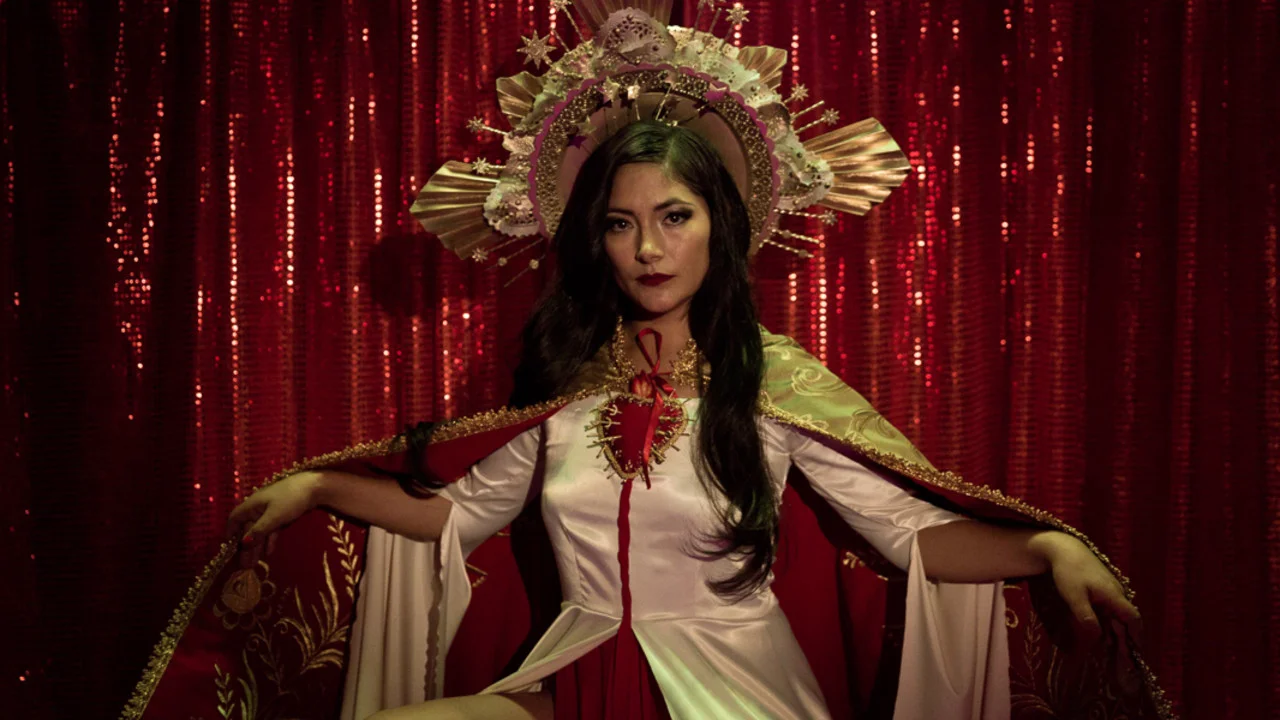
Andrew: It did! Much of the film has a mundane, slow-cinema-like quality in how it observes Lina occupying various spaces and transit systems (González has a background in documentary filmmaking, and it shows), and I obviously am primed to like that stuff – but I also thought that breaking the film up with musical sequences was such a winning choice. Lina From Lima doesn’t appear to have an enormous budget, but González does a lot with what she has in these sequences. The costuming in these scenes reflects a slightly heightened version of reality, whether Lina is picking out hand-me-downs (with the musical sequence showing Lina in her employer’s finest evening gown), exploring her sexuality (with Lina dressed as the Virgin Mary), or having to sit on furniture covered in plastic wrap (with Lina a bubblewrap dress, which, as you mentioned in our video diary, may be a nod to the “Diamonds” sequence in Gentlemen Prefer Blondes). The musical stylings are eclectic and I found all the melodies extremely catchy. And just on a conceptual level, I admire what these musical sequences are doing: like in Von Trier’s Dancer in the Dark, they represent mental escapes from the tedious nature of Lina’s work, escapism being the central theme of the story. 

Unlike Von Trier’s notoriously pessimistic film, Lina From Lima takes a very positive outlook on the possibilities of escape: Lina finds moments of respite from her nannying job by imagining these fantasy musical numbers, by taking trips to actual dance clubs, by laying out and playing in the sprinkler, and by indulging in casual hookups, some of which I found to be very sweet and all of which center Lina’s own pleasure and agency (one of the men is even left faceless by the camerawork and editing). 

I know the way the film handled Lina’s sexuality initially felt a little questionable to you, Jessica, so I’m wondering how you’re feeling now that we’ve had so much time to reflect and discuss. I’m also curious how y’all feel about the film’s depiction of emotional bonds between nannies and their wards, especially in contrast to Roma, which played TIFF last year and stirred up a lot of discussion on these grounds. 

Zach: To answer your second question, I found Lina from Lima to be a much richer portrayal of the emotional bonds you mentioned than Roma because of the rose-colored, nostalgic lens that Cuaron painted his film from last year with. This one shows Lina and allows you to make your judgements about her without seeming to force this almost angelic depiction – she gets much more interiority through her singing.

She is a good person and seems to care for this child she is watching, but also clearly has some questions or issues from her past that have her separated from her son and what could be seen as her “real life.” While it may seem minuscule, I found the entire sequence where she has to forgo her trip to Peru because of the mistake she made with the pool to be moving and difficult. While the father of the child she watches is able to come and go as he pleases and clearly can move past being absent or messing up, Lina is not given that opportunity and is forced to stay and correct her mistake for her employer so that she doesn’t lose her source of income rather than go home to see her own kid.

It must have been hard and challenging, but those are the decisions that are made outside our realm of privilege and that seemed to speak to the experience of a house worker more than anything in Roma. But Jessica, I’d be curious to get your perspective on her depiction of Lina’s sexuality.

Jessica:  I've had some time to reflect on the what I think Gonzalez is trying to do with the film vs. my own personal reading of the film, and I've come to the conclusion that some people do use sex as an escape from their mundane lives. It's a way for them to get pleasure, and even though I personally don't find hooking up with people an effective way to cope with loneliness, I can still see what the director was trying to do with this film. It doesn't really negatively affect my view on the film as a whole. I still enjoyed it and I can't wait to see what Gonzalez makes in the future.

Tags tiff19
Comment
frankie_01.jpg

Frankie (2019) by Ira Sachs

October 7, 2019

Review by Zach Dennis

Ira Sachs is a very unassuming director. While this is a hyperbolic comparison, he deals with his New York family dramas much in the same way that Yasujiro Ozu did – focusing on the small minuta of family life and how it all affects the people within that bubble.

Sachs expands that a bit her, including expanding his location from New York City to the lovely coastal town of Sintra, Portugal. This narrative continues his interrogation of the modern, metropolitan family but goes about it in a way similar to more contemporary directors such as Richard Linklater, Hirokazu Kore-eda (a director I’ll get to in a minute) and, to an extent, Hong Sang-soo.

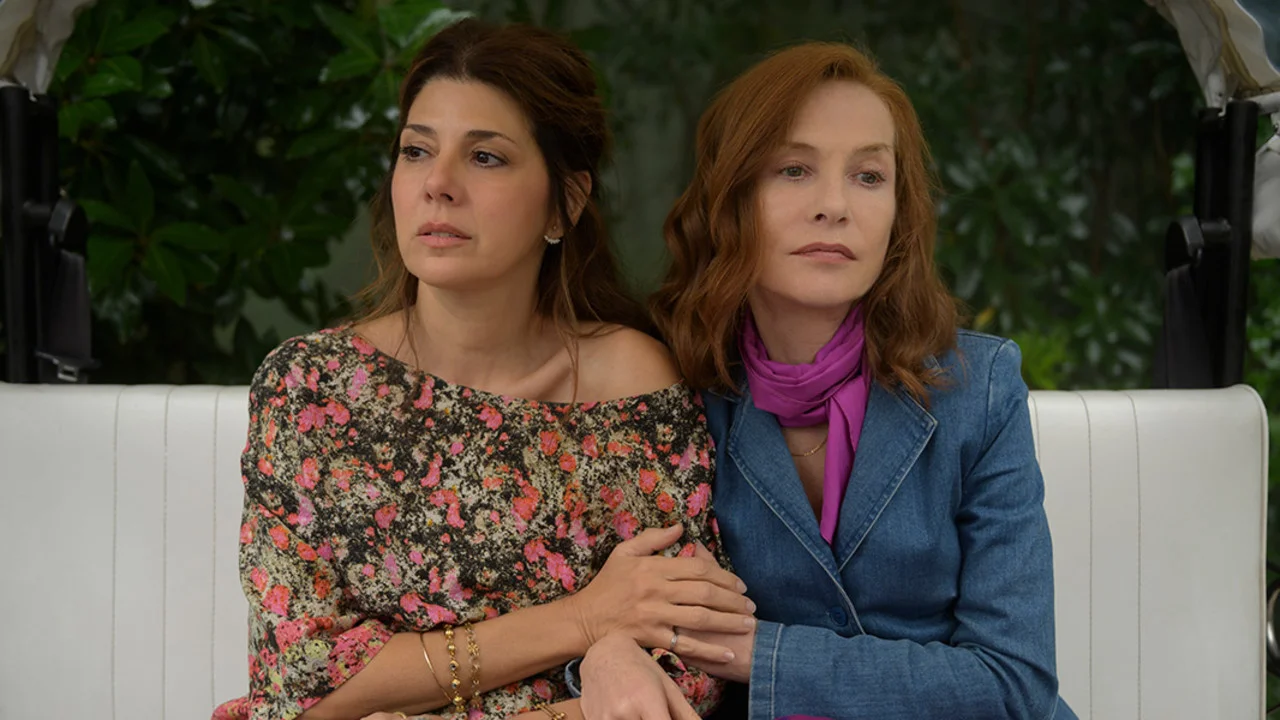
Frankie is about an aging actress played by Isabelle Huppert in the title role. As we slowly learn, Frankie has a fatal illness and has used this as an excuse to bring together her family to Sintra for a vacation together. Along for the trip are her first (Pascal Greggory) and current husband (Brendan Gleeson), her son (Jérémie Renier) and her step-daughter (Vinette Robinson), who in turn brings her husband (Ariyon Bakare) and daughter (Sennia Nanua).

Also, joining the family is Ilene (Marisa Tomei), a friend of Frankie’s who works as a hair stylist for movies and, in Frankie’s mind, a potential partner for her son who is moving to Ilene’s town of New York City after the trip. But to throw a wrench in the plan, Ilene ends up bringing along her boyfriend, Gary (Greg Kinnear).

For the entirety of the film, Sachs places these various characters in conversations about Frankie, about their lives at the time, and about what Frankie’s passing will mean to them. Structured like the long walks of Linklater’s Before trilogy, the segments feel more reminiscent of Hong Sang-soo and the way he pulls people away from each other and into disparate conversations (see The Day He Arrives, or, more recently, Hotel by the River).

At Frankie’s core, Sachs is still investigating the question he has been interested in as of late – what creates the infrastructure of family, and how steady is that ground? Frankie has gone through two marriages, but it seems like both men (and she) are at peace, but that isn’t the same for her step-daughter Sylvia, who is on the rocks with her husband and seeking a side apartment.

Her son, Paul, is unhappy with his love life – believing his last girlfriend (who he split up with many months before) was actually “the one” for him. At the same time, Ilene is being proposed to by Gary and is unsure of whether or not a future at his lake house outside of the city is what will bring calm to her life. While not as directly as Frankie would like to have it, the two are brought together by the end, but engage in a strange plot beat that includes Paul explaining the insanity of his family to Ilene by re-telling a story about how he had sex with Sylvia prior to her officially becoming his step-sister, leading Frankie to leave him to be with Sylvia and her father, Jimmy (Gleeson).

The beat comes out of nowhere and seems a little too French for the Portuguese setting, and it doesn’t necessarily add to the complexity of the familial tapestry. The film is much more interesting when we are spending intimate time between characters such as Ilene and Frankie, or Frankie and Jimmy or even just Frankie alone wandering the countryside and happening upon a small birthday party for a local family. At the same time, Sylvia’s daughter Maya (Nanua) falls into a small fling with a Portuguese boy visiting Sintra with friends – illustrating that Maya will follow the same path as both her mother and grandmother. For Sachs, life is constantly presenting new complications, but that is just the nature of living.

This comes to a head as the entire family meets on the peak of a cliff to watch as the sun goes down. Sachs moves from a medium shot of the family moving towards the edge to a long shot behind them. As we watch the sun go down and each vine of the family withers away, walking from the scene, we are offered a small glimmer of solace knowing that despite these complications over the past 90 minutes, the sun will set and a new dawn will rise.

While being relatively unassuming most of the time, the sequence has to be one of Sachs’s most beautiful and flourishing yet.

Tags tiff19
Comment
hiddenlife_0HERO.jpg

A Hidden Life (2019) by Terrence Malick

October 7, 2019

Review by Zach Dennis and Jessica Carr

Zach: Terrence Malick is not a director I necessarily fawn over whenever a new one of his movies comes out – at least with his recent, post-Tree of Life fare – but A Hidden Life, the story of a conscientious objector in Austria during World War II, really intrigued me due to its subject matter and how Malick (an intense man of faith) would use his style to capture this story. It really blew me away, which is saying something since this was my first TIFF viewing and it happened at 9 a.m.

Jessica, you saw this at a much more reasonable time and seemed to have the same reaction. What did you make of A Hidden Life?

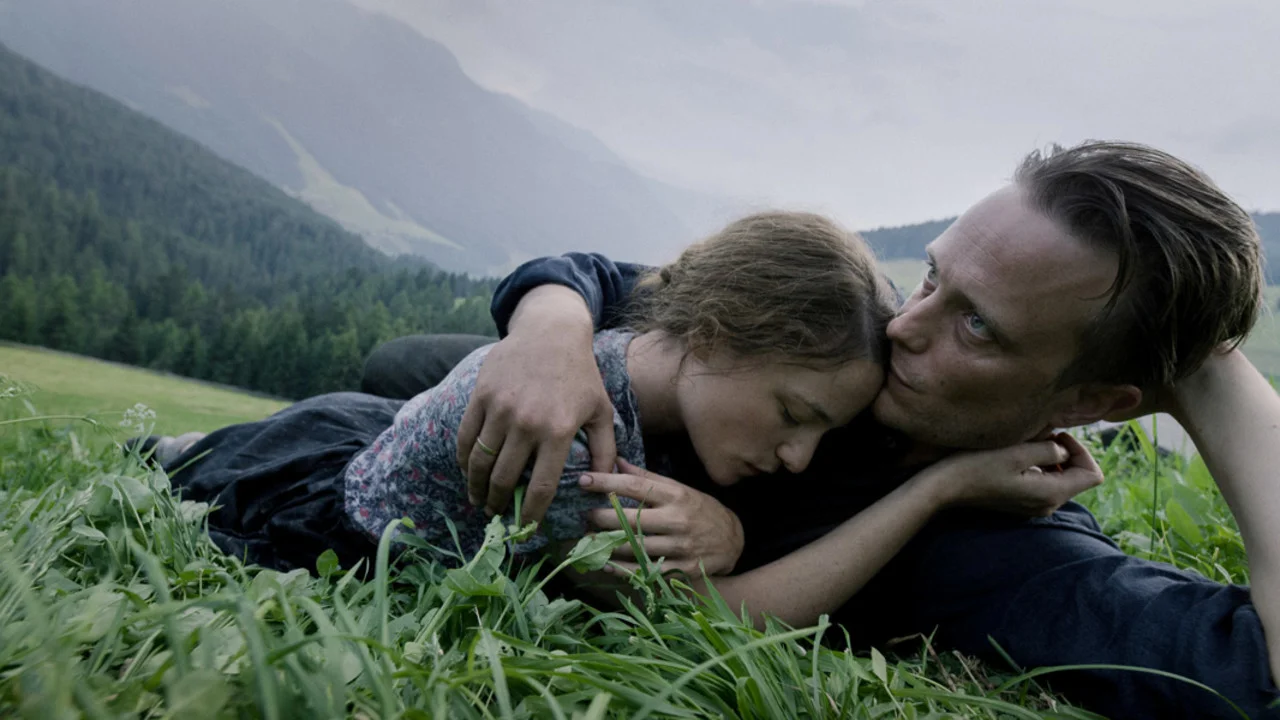
Jessica: I can confidently say that I like Malick...but he really lost me when he made films like Knight of Cups and Song to Song. I didn’t think I’d ever enjoy anything he made again, AND THEN he comes in swinging with A Hidden Life. The film plays out like a beautiful dream with a looming nightmare overhead. Franz just wants to be a farmer living in the countryside with his wife and children, but he gets called to serve Hitler. Franz refuses to pledge his allegiance to someone so evil, and from there, it becomes a heartbreaking story of a hidden hero. Malick really uses his signature style to bring the audience into the story here instead of isolating them from it, and the film kept me interested for the entire (near 3-hour) runtime. Zach, did you stay engaged as well? 

Zach: For 9 a.m., I was remarkably engaged. I echo what you say about his style working in tune with his narrative. What really struck me about this story, compared to other stories about Nazis of late, is how it focuses less on the iconography of them and more on the ideology that bubbled to the surface. I’ll probably speak more about this later in the review of Jojo Rabbit, but Malick seems more interested in engaging with that second line of thinking, which is the more damning of the two. It was an interesting choice by him to share clips of Hitler and the Nazis at rallies, but those were always shown as black-and-white images or projections for the Austrian troops – never as the reality that the characters were inhabiting. In that reality, it was more reliant on the anti-globalist hate being spewed, and this is where Malick’s narrative shines.

What festered within so many people was the quick expansion of the world and their part in it, so setting the story in this small farming town in Austria (isolated within the mountains) kind of crystallizes this concept of the world coming to this small village and explains why most of the town becomes scared of the progress and accepting of the Nazi path.

Jessica: It definitely felt like an ideological approach. All the conversations with Franz doubting the war and following Hitler were done in hushed tones with fellow villagers, working through the thought process of deciding to go against the pack.

Zach: And those conversations are presented in such hushed tones because the decision seems insurmountable. The choice to join the Nazis – at least in the minds of most common people based on how the party was marketed – was a choice to serve your home over the world. Why would you go against your village and the people you have known and grown up with your entire life to side with these outsiders we know nothing about?

What Malick understands here is that this central question is what was driving a lot of the followers of the Nazi party, and that speaks to the modern age more than anything done in TIFF’s other Nazi movie. The expansion of the worldview is what strikes fear in most people’s hearts compared to what the leaders of the movement chose to believe and that fear leads to bigotry and unfiltered hate.

I’m curious what you made of the third act of the film, which is where the movie tends to drag more and features Franz in captivity due to his non-compliance and his wife back at their farm attempting to continue life with only her sister, what with Franz’s mother and their children and all the men and women left in the village spitting hate for his decision. This part dragged for me a bit more than the others just because it is sequence after sequence of the officers berating and beating Franz, but it also spoke a bit to what we have been talking about and this conviction he kept. The scene between him and the military officer who is presiding over the jury in his case was incredible, in my opinion.

Jessica: I agree that it does drag on, but it seemed purposeful to me. The movie is clearly supposed to shine light on Franz as a hidden hero, so we are supposed to see how he suffered for what he believed in. Most Malick movies drag on in the third act, but this one felt more meaningful, so at the end of the day I was okay with it. That ending was absolutely heartbreaking – I could hear people around me sobbing. A Hidden Life is an absolutely remarkable film and I hope Malick continues in this direction for his next feature.

Tags tiff19
Comment
← Newer Posts

Powered by Squarespace